
Antiques, Decorative and Fine Arts Auction

Antiques, Decorative and Fine Arts Auction
Lot 67: Carlo Scarpa for Venini Murano Emerald Green Bollicine Glass Bowl, Signed, c. 1930s-40s
2026-04-25T15:00:00Z
Start price: CAD $100
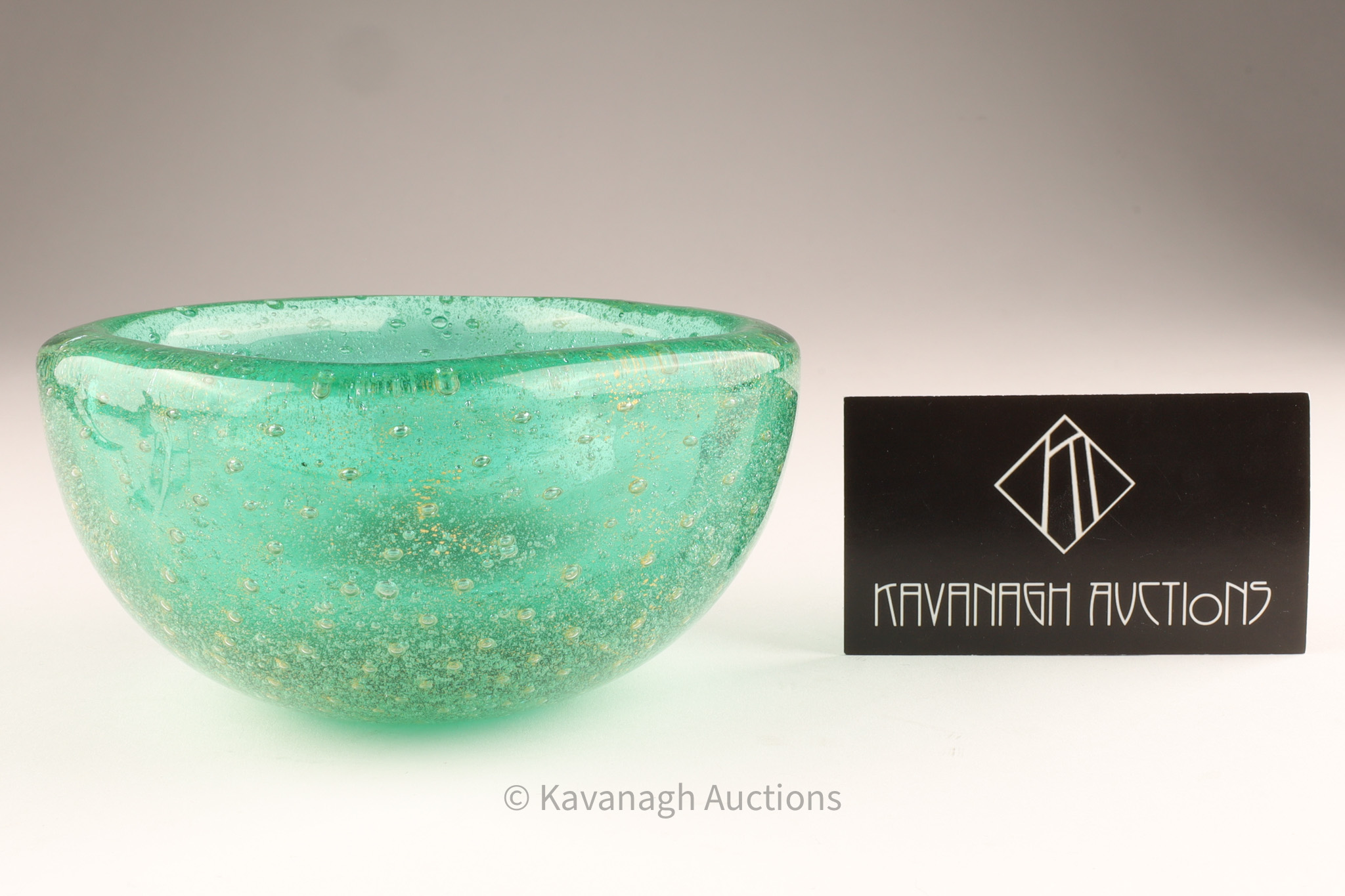
Lot 67:
Carlo Scarpa for Venini Murano Emerald Green Bollicine Glass Bowl, Signed, c. 1930s-40s
Description
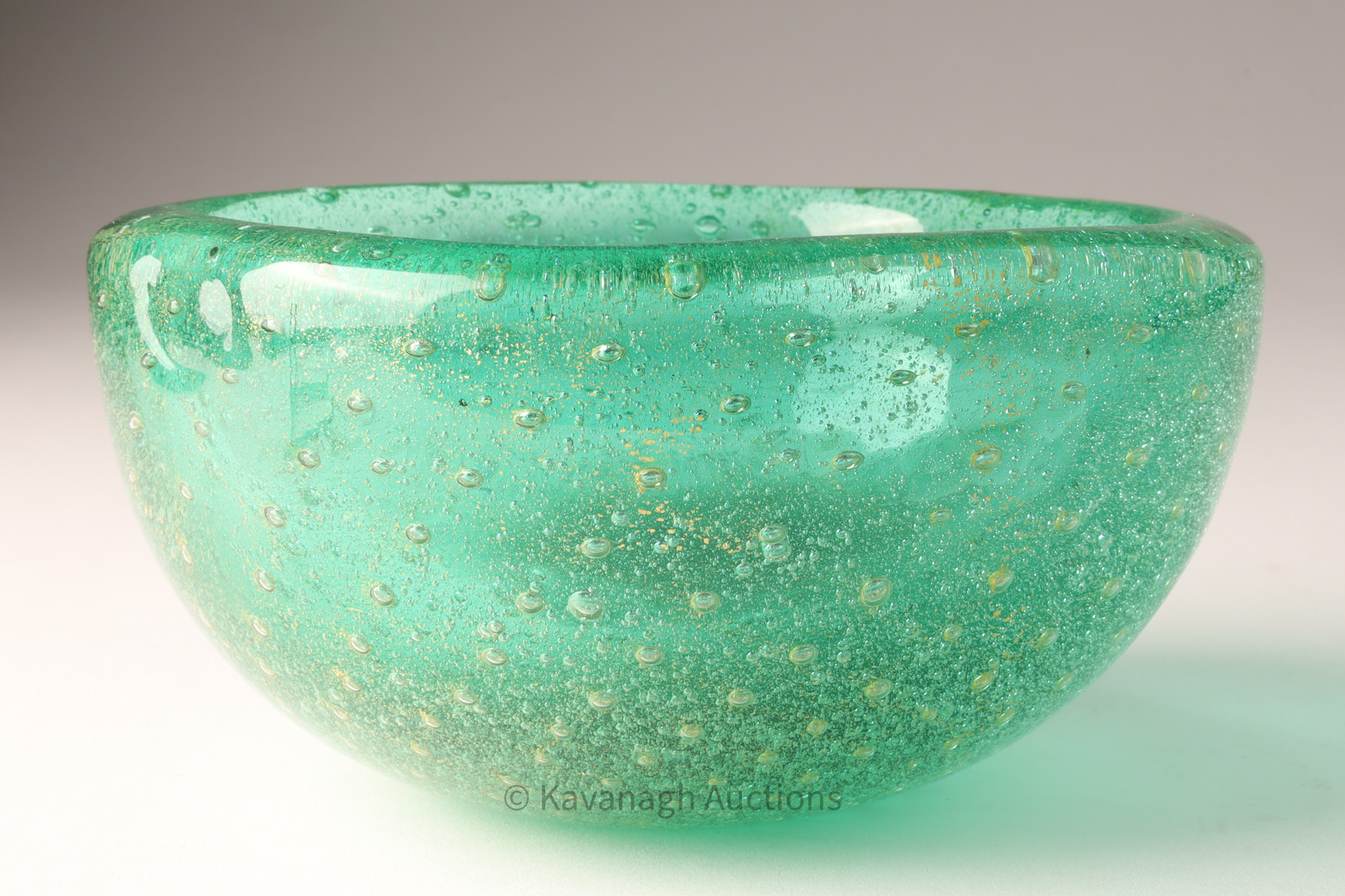
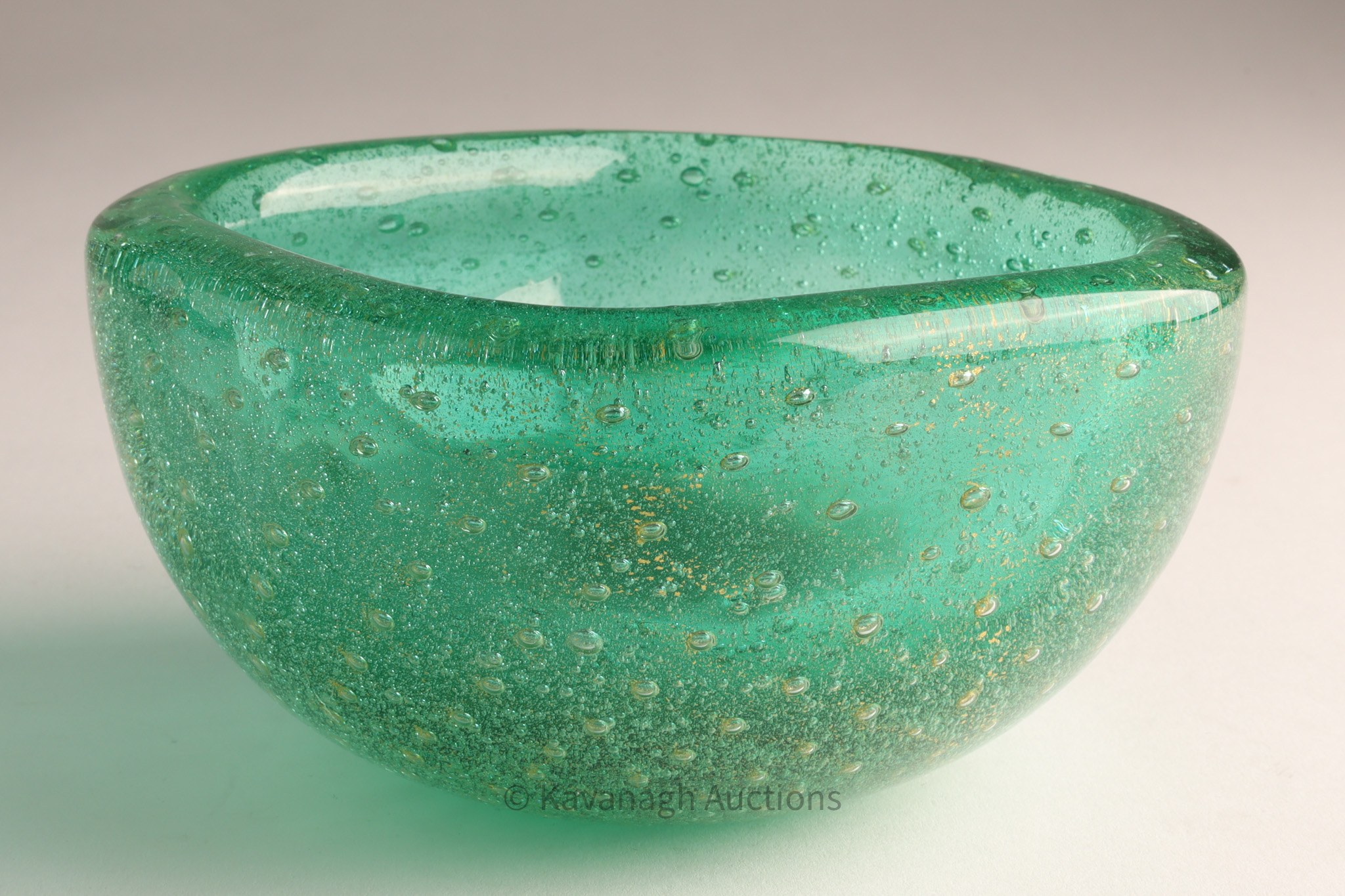
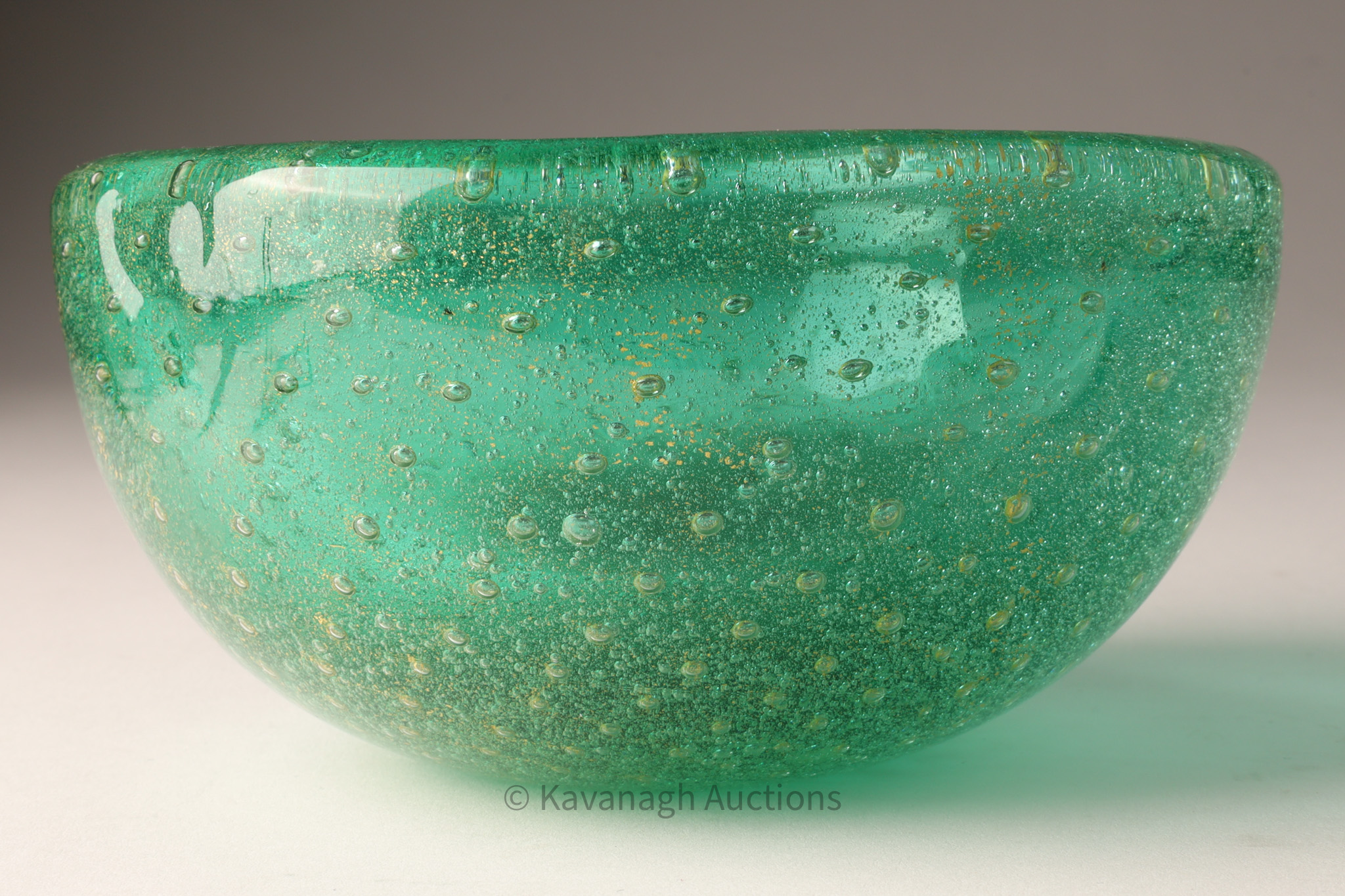
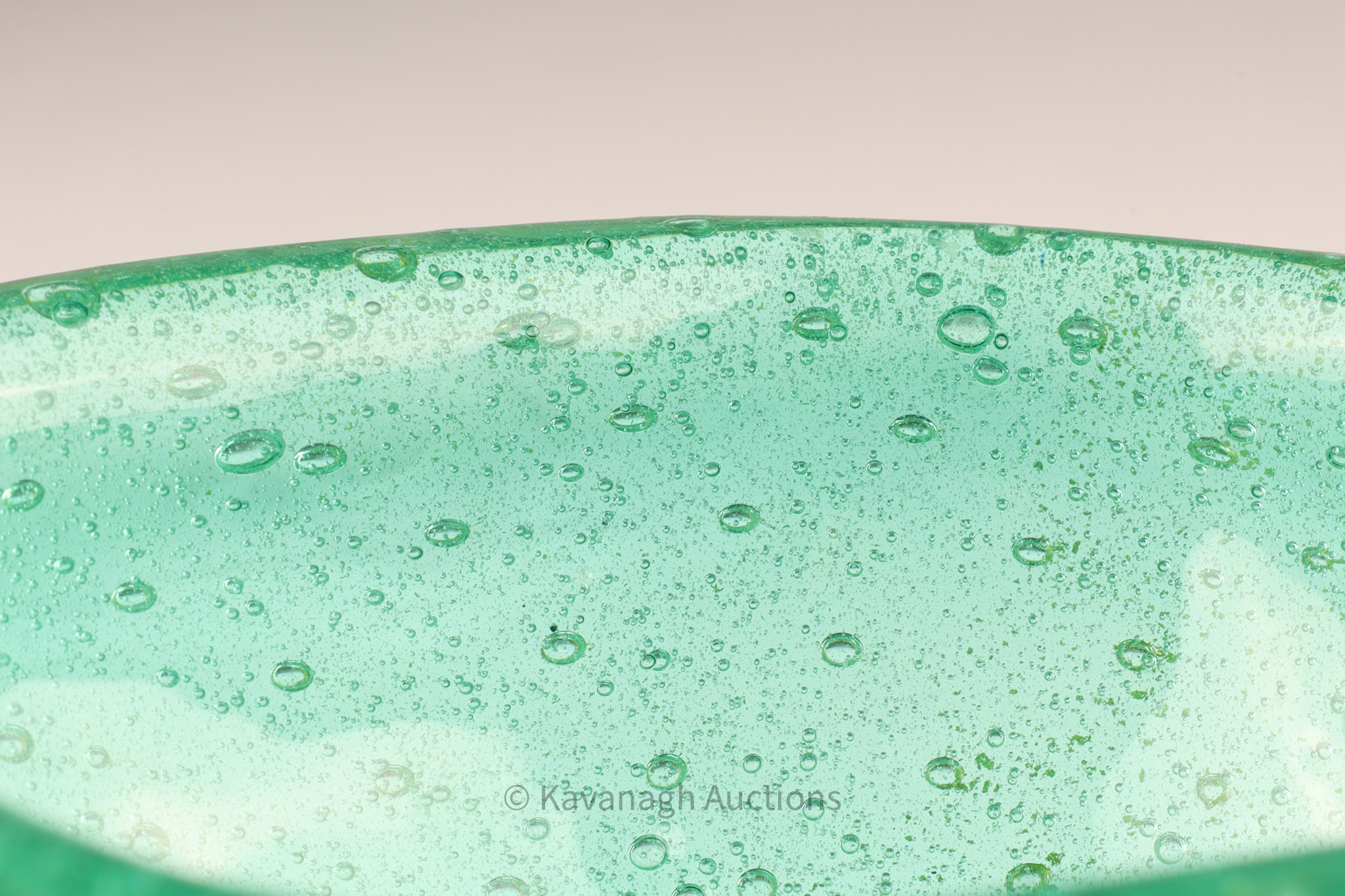
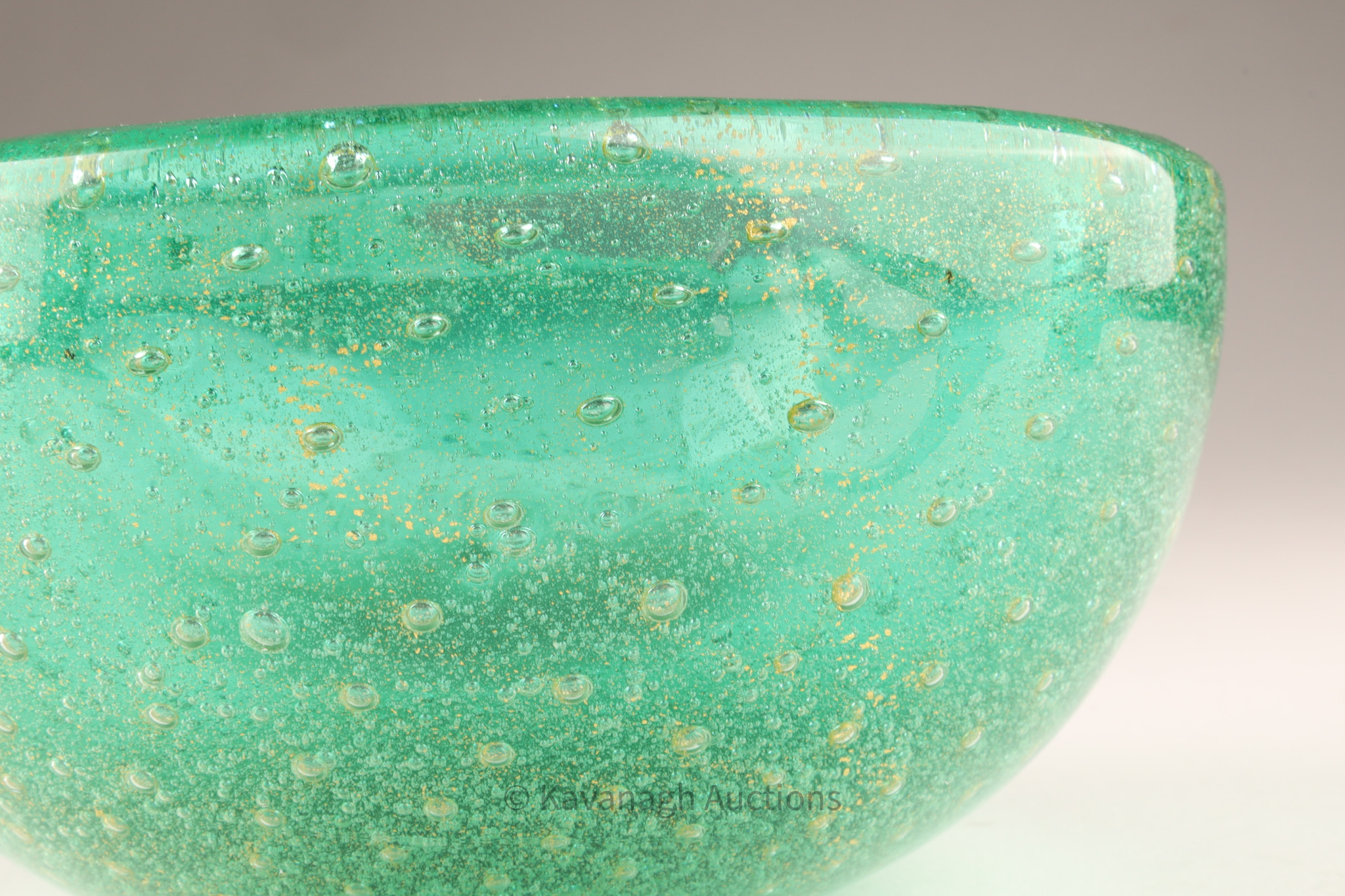
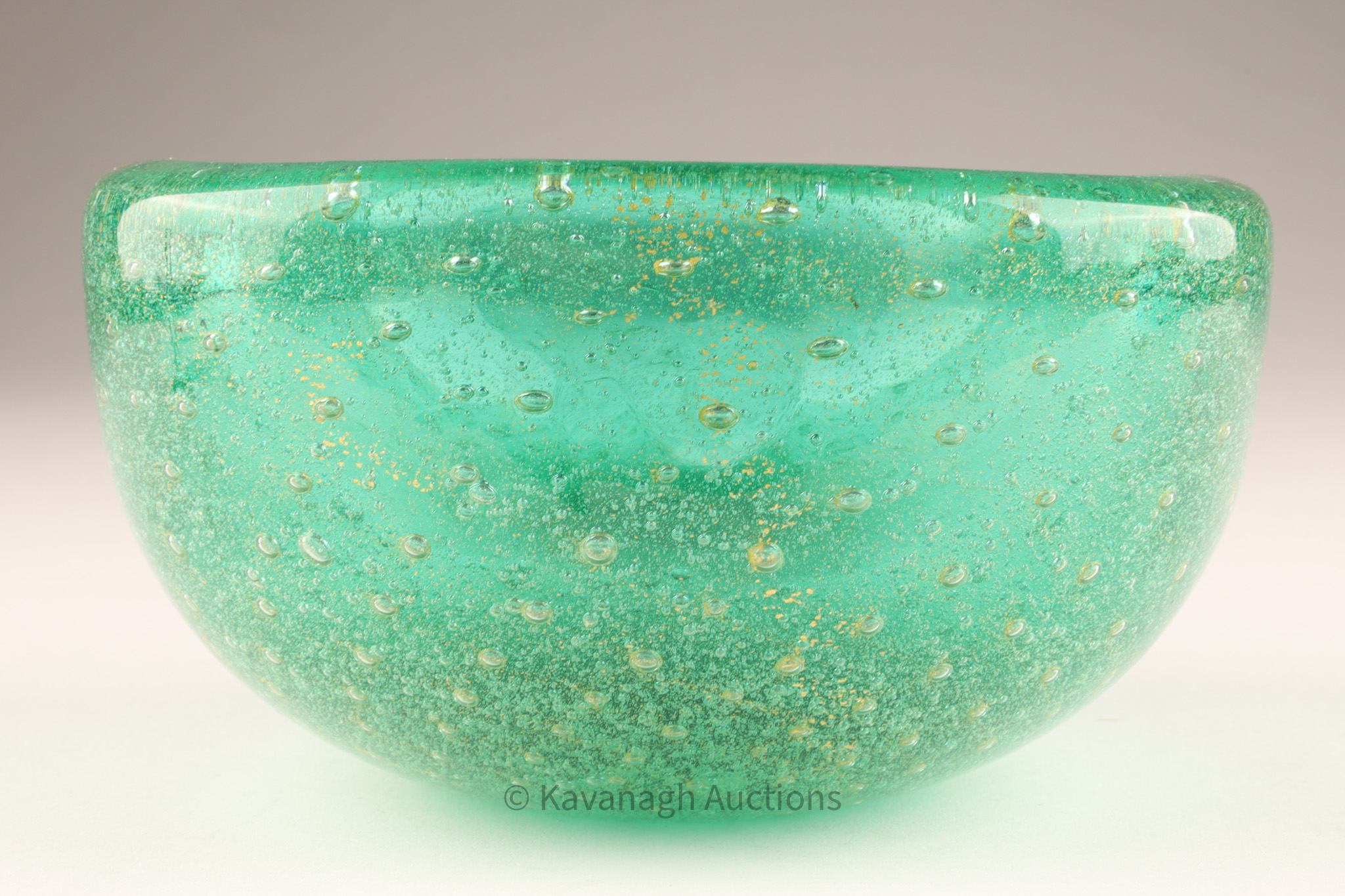
A Murano glass bowl executed in translucent emerald-green glass with dense internal bollicine (controlled bubble inclusions), produced by Venini and designed by Carlo Scarpa, Murano, circa 1930s to early 1940s.
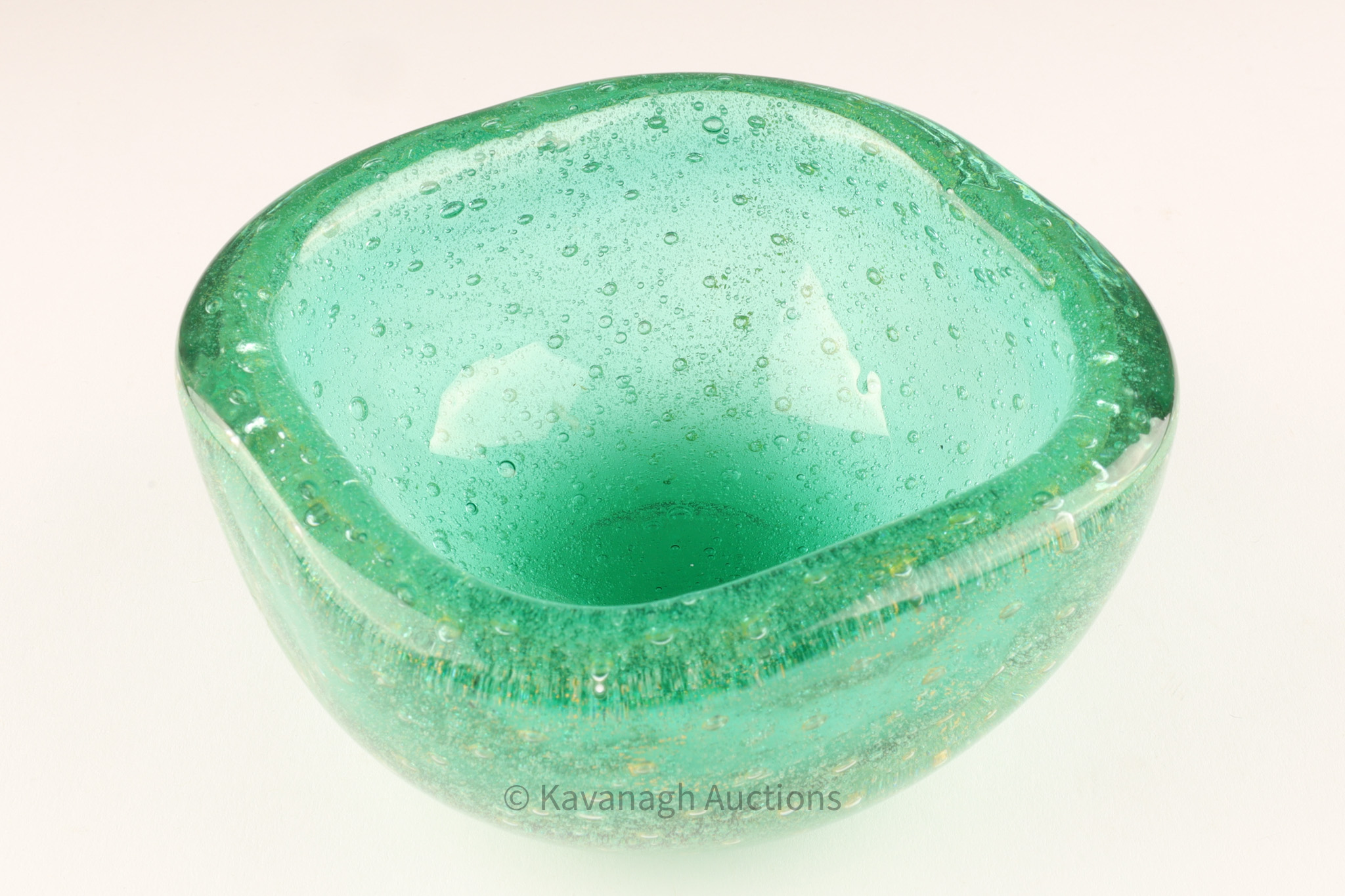
The glass body is richly seeded with a dense field of fine air bubbles interspersed with larger spherical inclusions, creating a dynamic internal structure and a sense of suspended movement. The distribution of the bollicine remains organic and varied, consistent with production during Scarpa’s tenure at Venini.
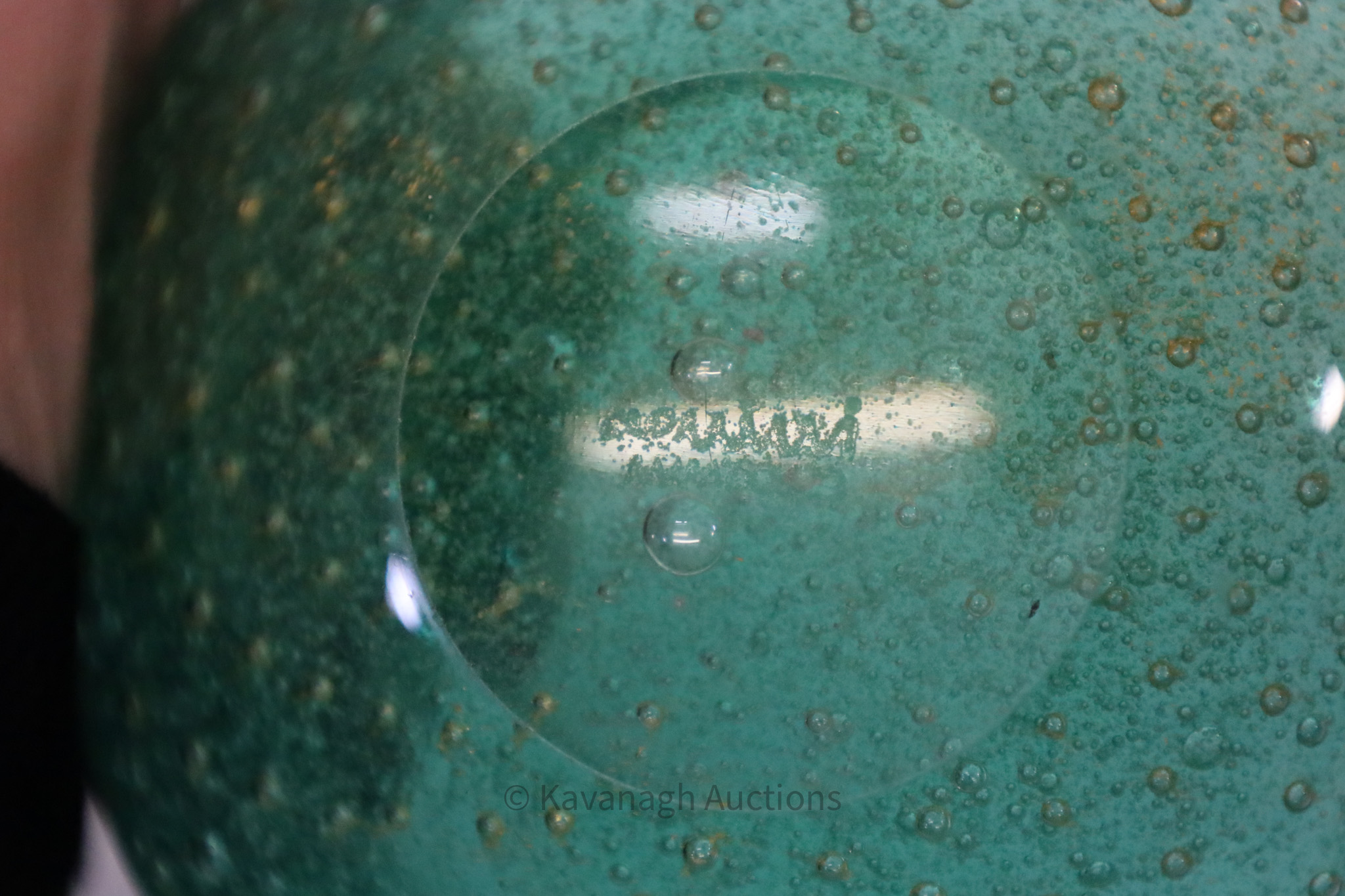
The underside is finished with a polished lens pontil and bears a two-line acid-etched mark reading “venini murano."
Details
Designer: Carlo Scarpa (1906-1978)
Manufacturer: Venini & C., Murano
Origin: Murano, Italy
Date / Period: Circa 1930s–1940s
Medium: Hand-blown Murano glass with bollicine inclusions
Color: Emerald green
Dimensions: Approx. 11 × 6 cm (4¼ × 2¼ in.)
Marks: Two-line acid-etched “venini murano”
Condition:
Light surface wear consistent with age and use
Minor base abrasions
No cracks, chips, or restorations observed
Catalogue Note
Carlo Scarpa’s work for Venini in the 1930s represents a foundational moment in modern Murano glass, marked by a shift toward mass, internal structure, and the expressive potential of the material itself. His exploration of glass incorporating controlled air inclusions—later formalized as the bollicine technique—introduced a new visual language centered on depth, luminosity, and internal movement.
The present bowl belongs to this early phase of experimentation, where bubble distribution remains organic and varied, reflecting a period in which technique and form were still evolving. Its compact, weighty profile and softly squared geometry align with documented Scarpa models, including comparable examples illustrated in Marino Barovier, I Vetri di un Architetto: Carlo Scarpa 1932–1947 (see pp. 111 and model no. 46, p. 206).
Share this lot: