Antiques, Decorative and Fine Arts Auction
Lot 210:
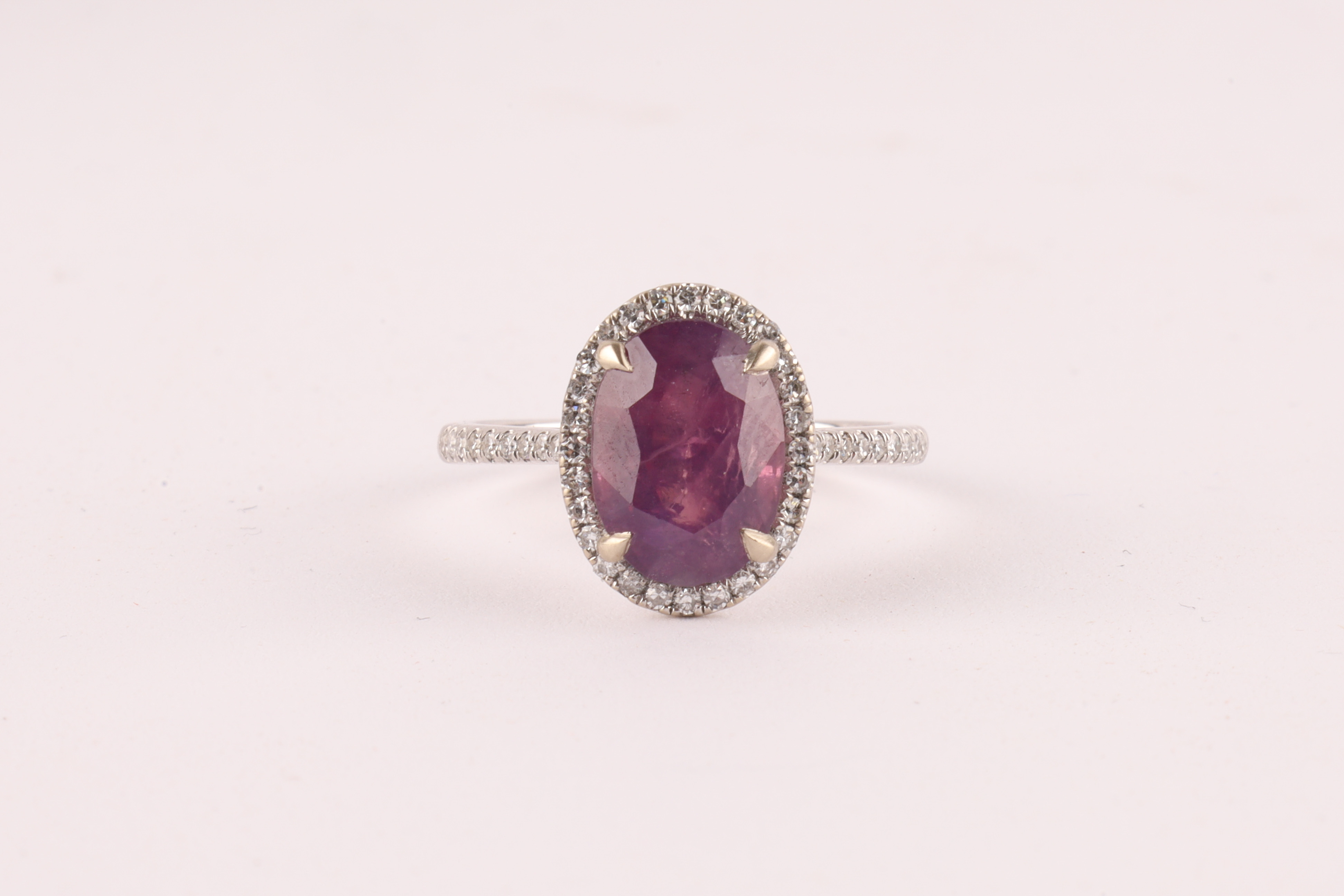
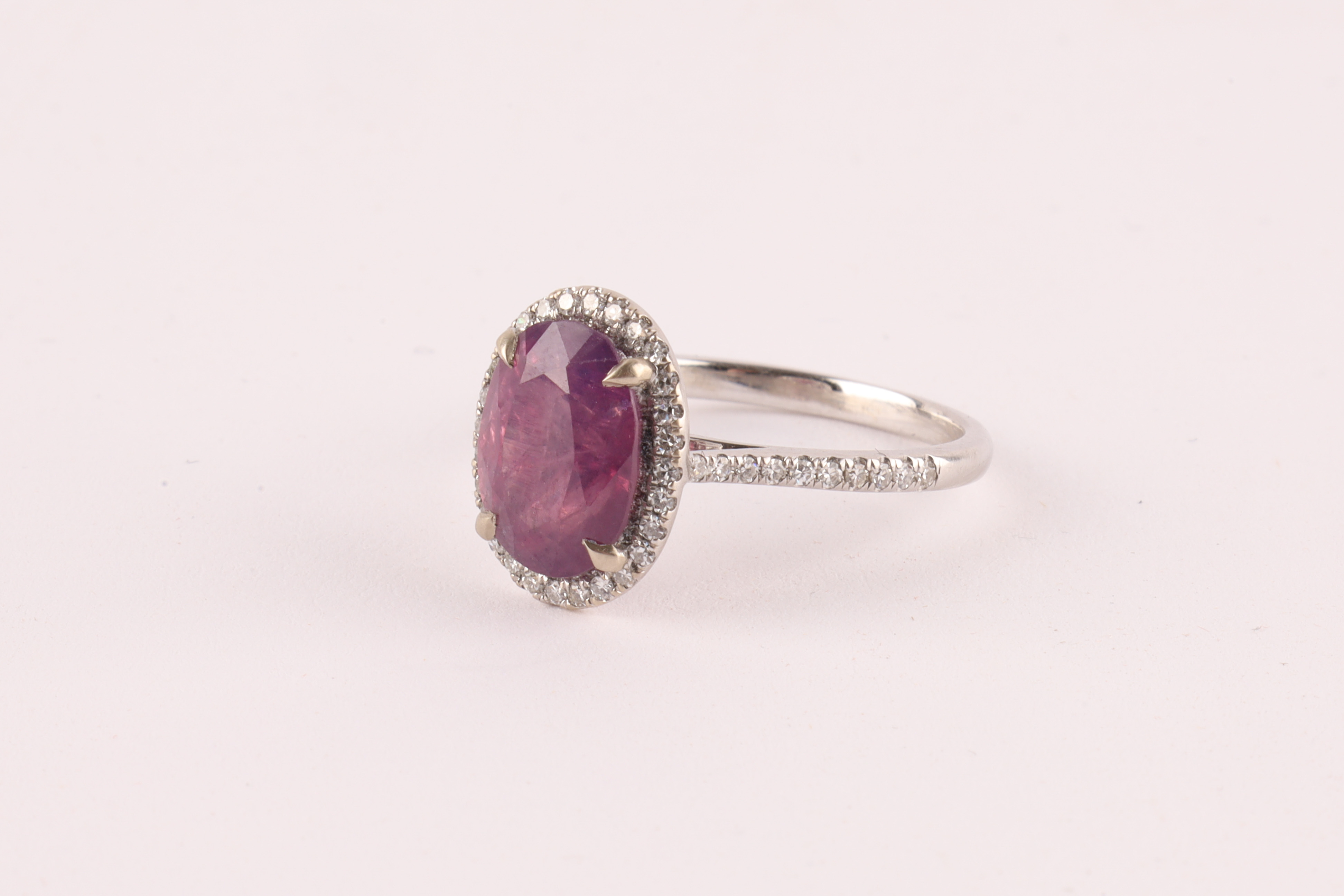
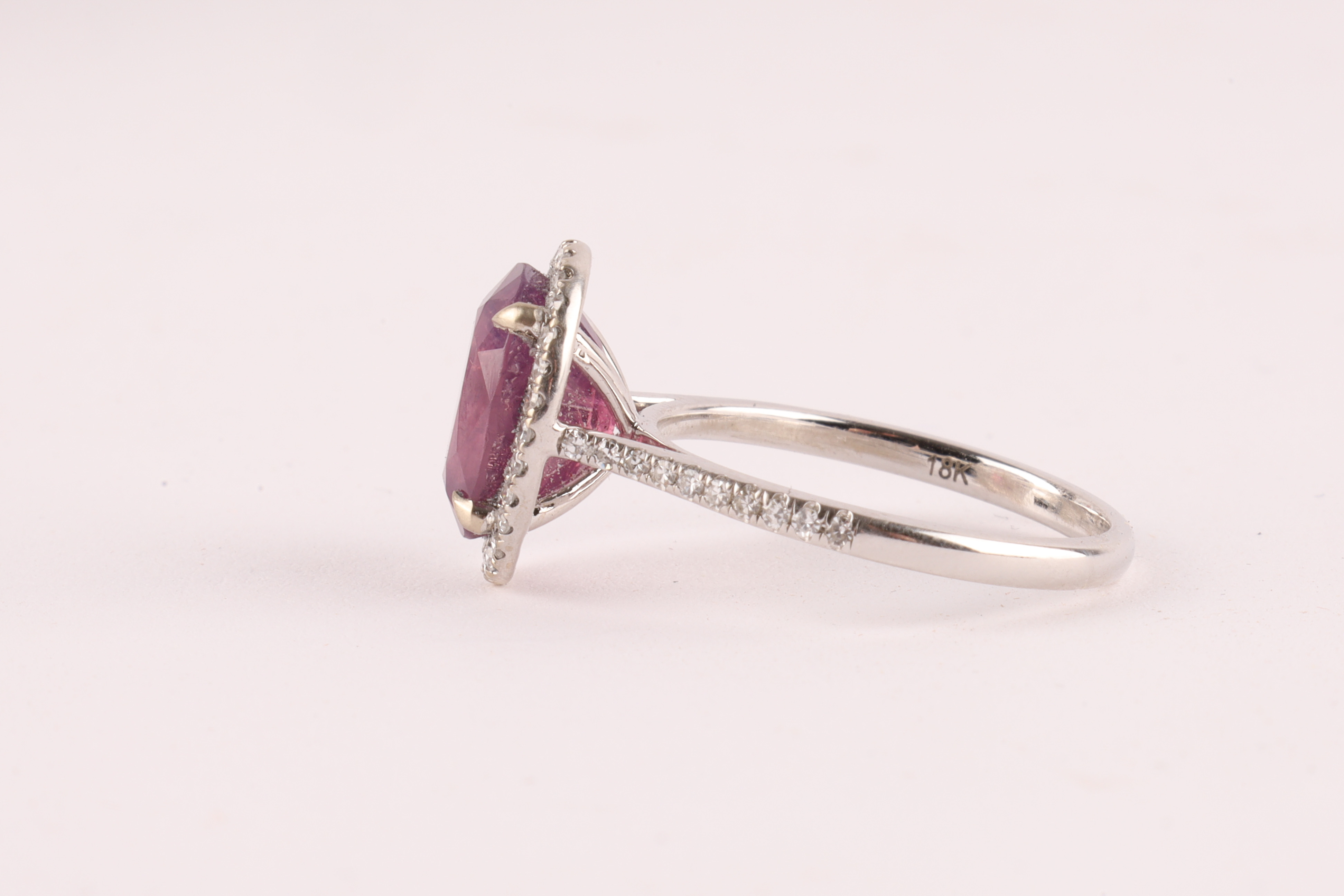
Unheated Kashmir Ruby 4.03ct and diamond 18kt ring, GIA certified
Description
Natural 4.03 carat Unheated Kashmir Ruby and diamond ring, GIA Certified Oval mixed cut, transparent purple-red ruby with GIA Report no. 1192275944 confirming natural origin and absence of heating.
An impressive natural, unheated ruby weighing 4.03 carats, fashioned as an oval mixed cut with a lively, crystalline transparency and a richly saturated purple-red hue.
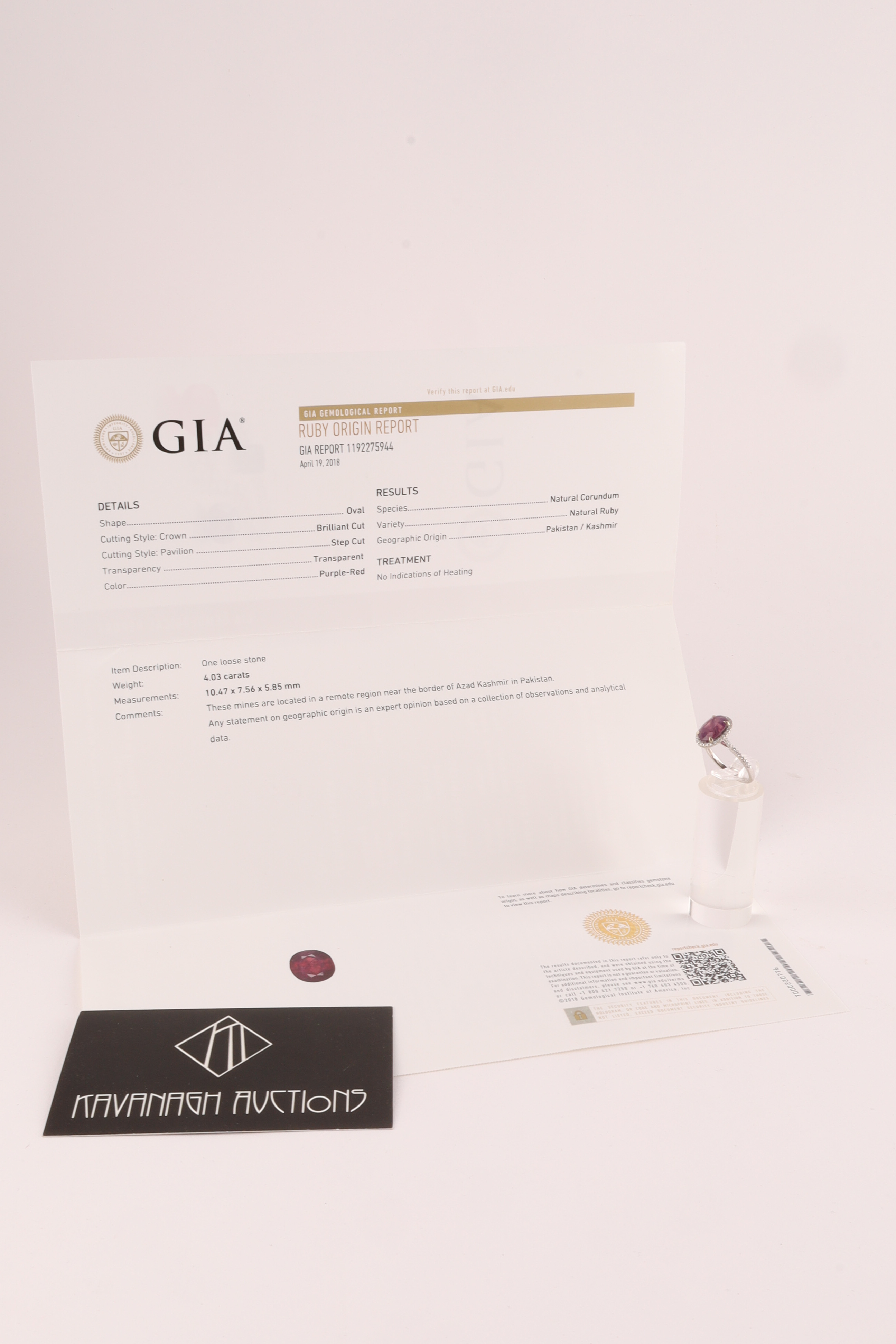
Accompanied by a Gemological Institute of America (GIA) report (no. 1192275944, dated April 19, 2018) identifying the stone as a natural corundum, variety ruby, of Pakistan / Kashmir origin, with no indications of heating.
Unheated rubies exceeding 4 carats are exceedingly rare, representing less than a small fraction of all rubies submitted to major laboratories.
The Pakistan–Kashmir deposit, situated along the Himalayan metamorphic belt near Azad Kashmir, produces rubies of exceptional geological pedigree—akin to the storied Mogok (Burmese) material, yet of distinct character. These rubies are known for their soft, velvety fluorescence, fine rutile silk inclusions, and vivid internal life, all hallmarks of unheated Himalayan gems.
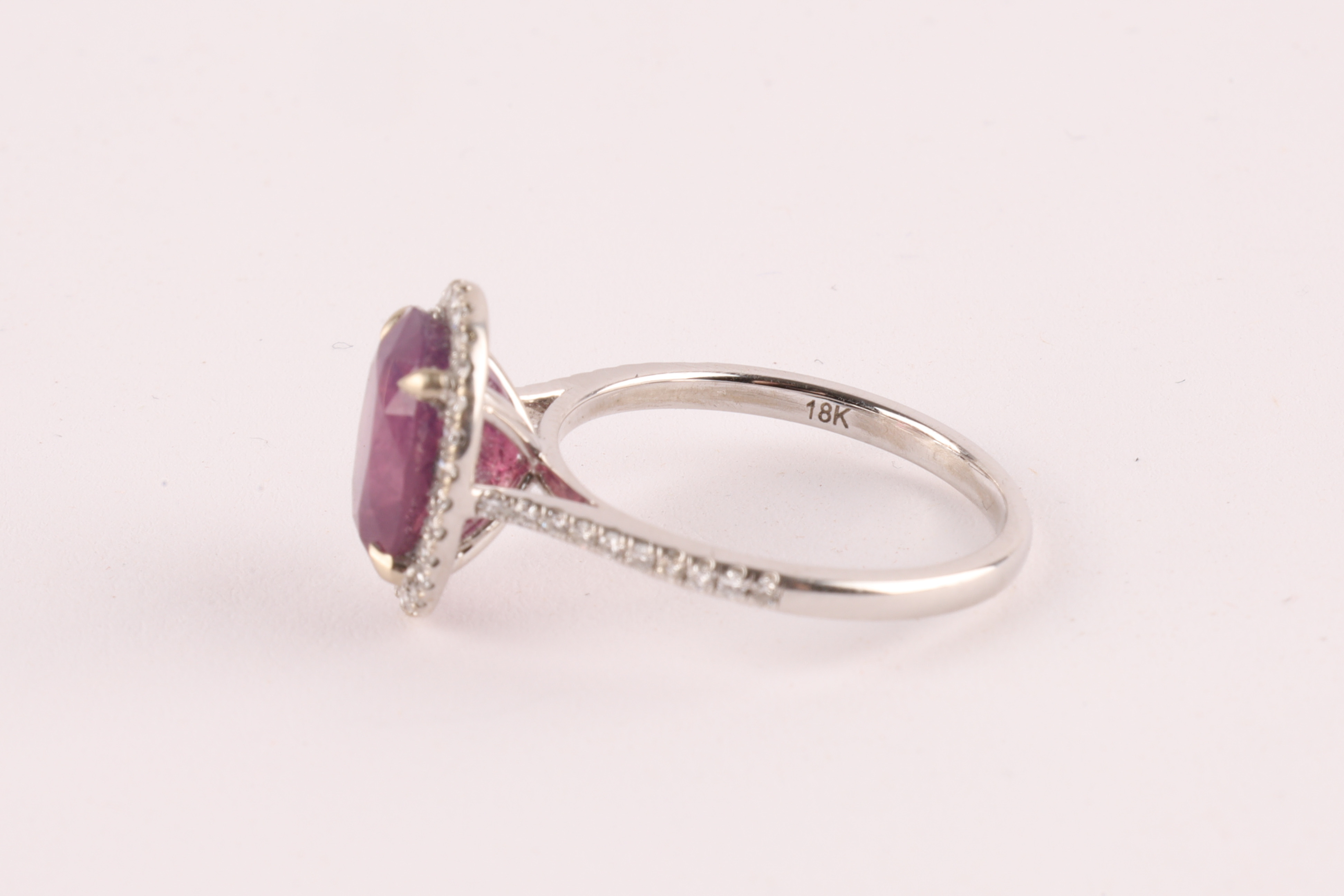
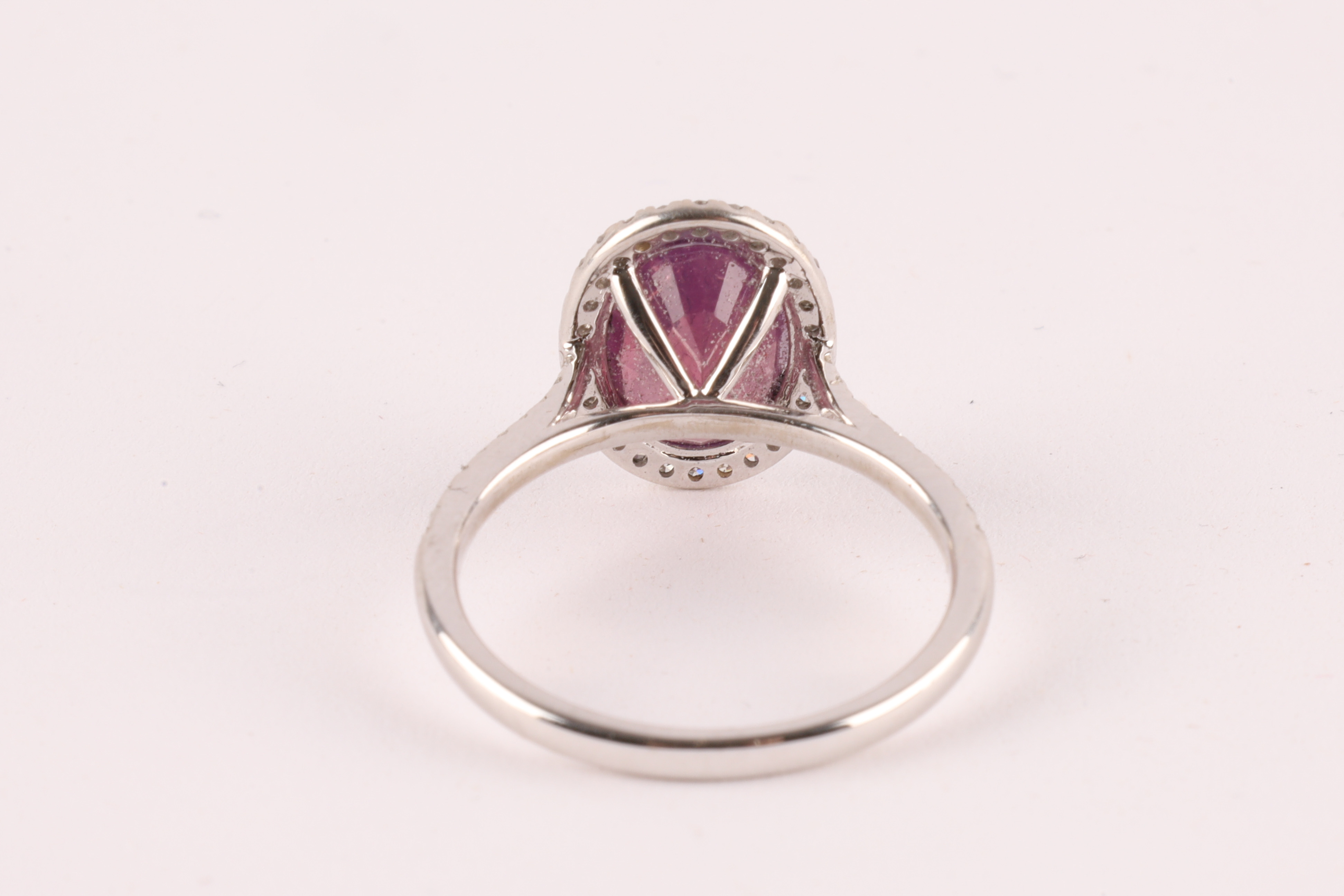
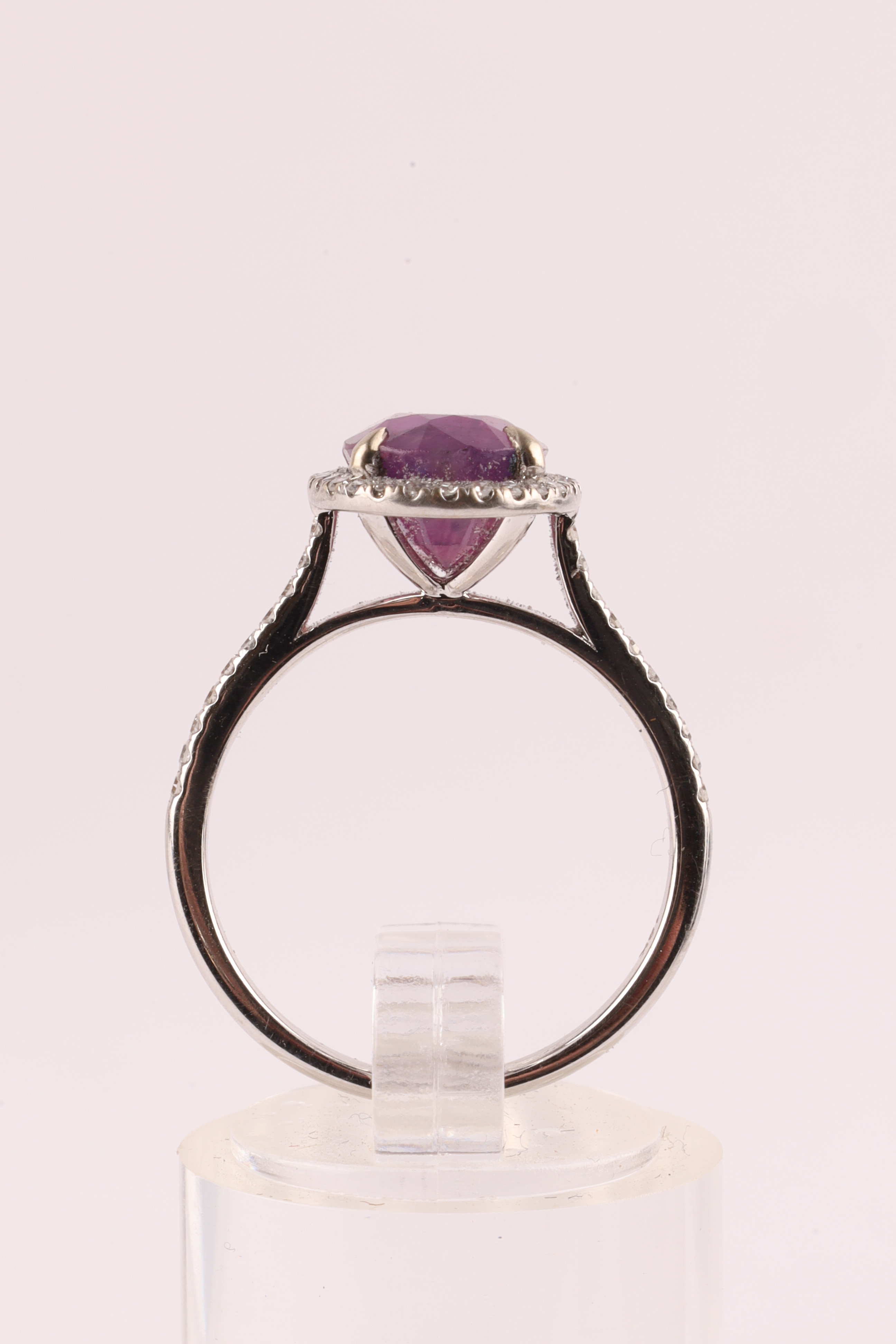
The ruby is set in a micropavé halo-style setting, with round brilliant cut diamonds surrounding the stone and on the shoulders. Set with 48 round brilliant cut diamonds measuring 1.00 mm for an estimated weight of 0.005 carat each and a total weight of 0.25 carats. VS clarity, G-H color, good cut. The whole made in 18kt white gold, stamped, 3.51 grams. The ring is a size 6.5.
Accompanied by GIA Gemological Report No. 1192275944, issued April 19, 2018, stating:
Natural Corundum, Variety: Natural Ruby; Geographic Origin: Pakistan / Kashmir; No indications of heating. The Azad Kashmir rubies form within marble-hosted deposits in the Himalayan fold belt, sharing geological ancestry with the celebrated Mogok stones. Unheated specimens, particularly in excess of 4 carats, are scarce in the market and increasingly sought after by both collectors and connoisseurs for their natural fluorescence and historic provenance.
Share this lot: