Antiques, Collectibles and Fine Art Auction
Lot 83:
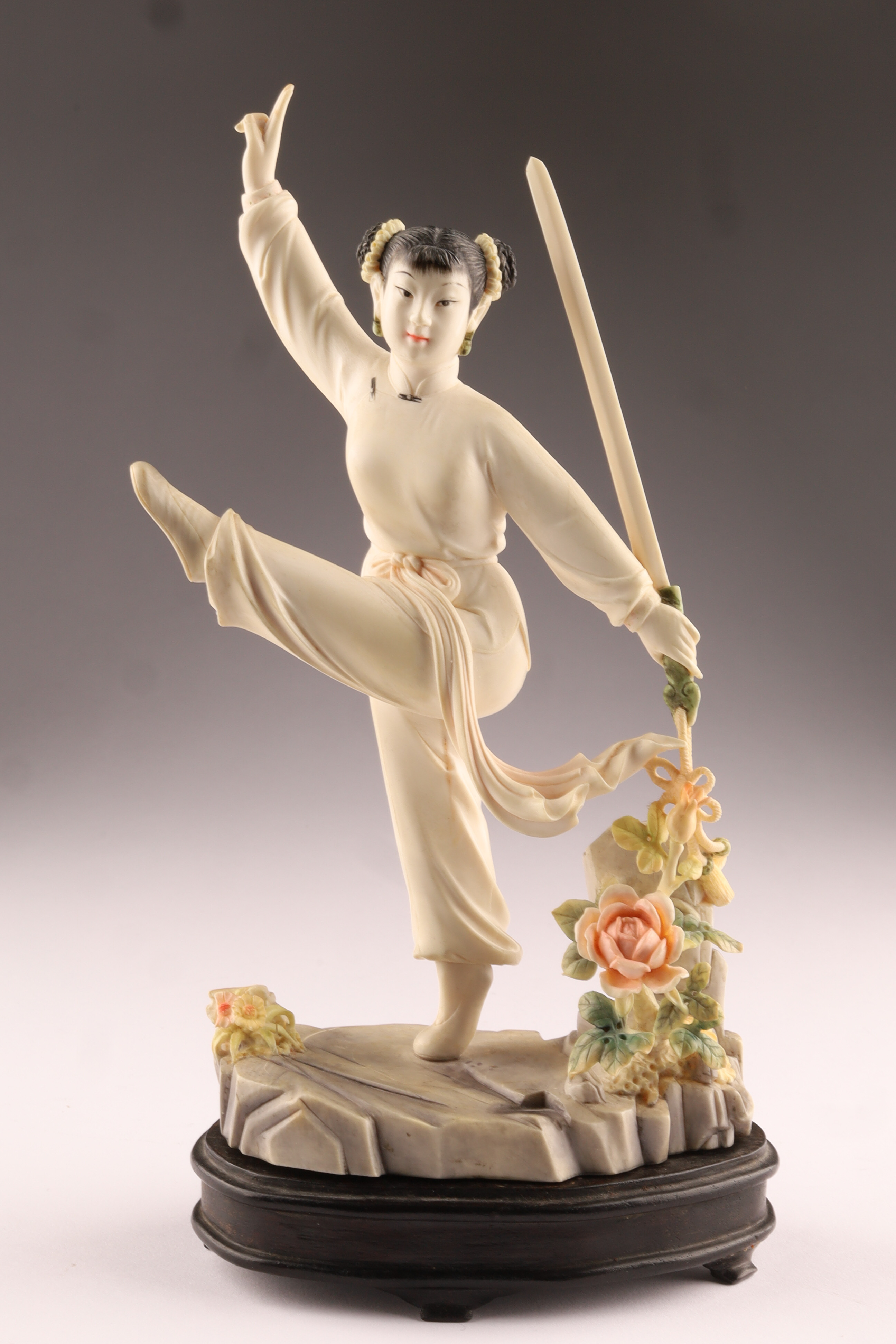
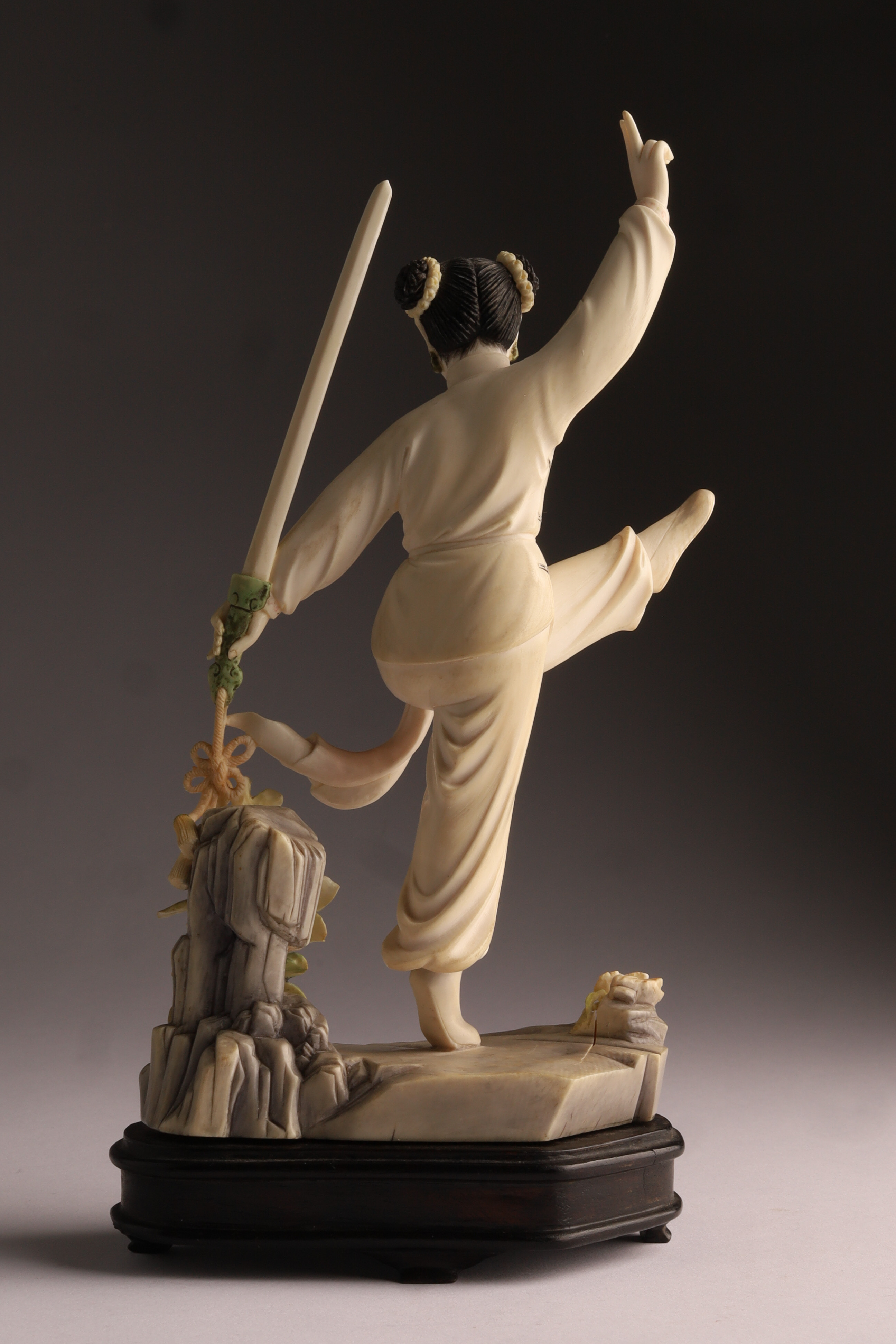
Chinese Maoist Sculpture Young Girl Practicing a Sword Routine, Women Hold Up Half the Sky
Description
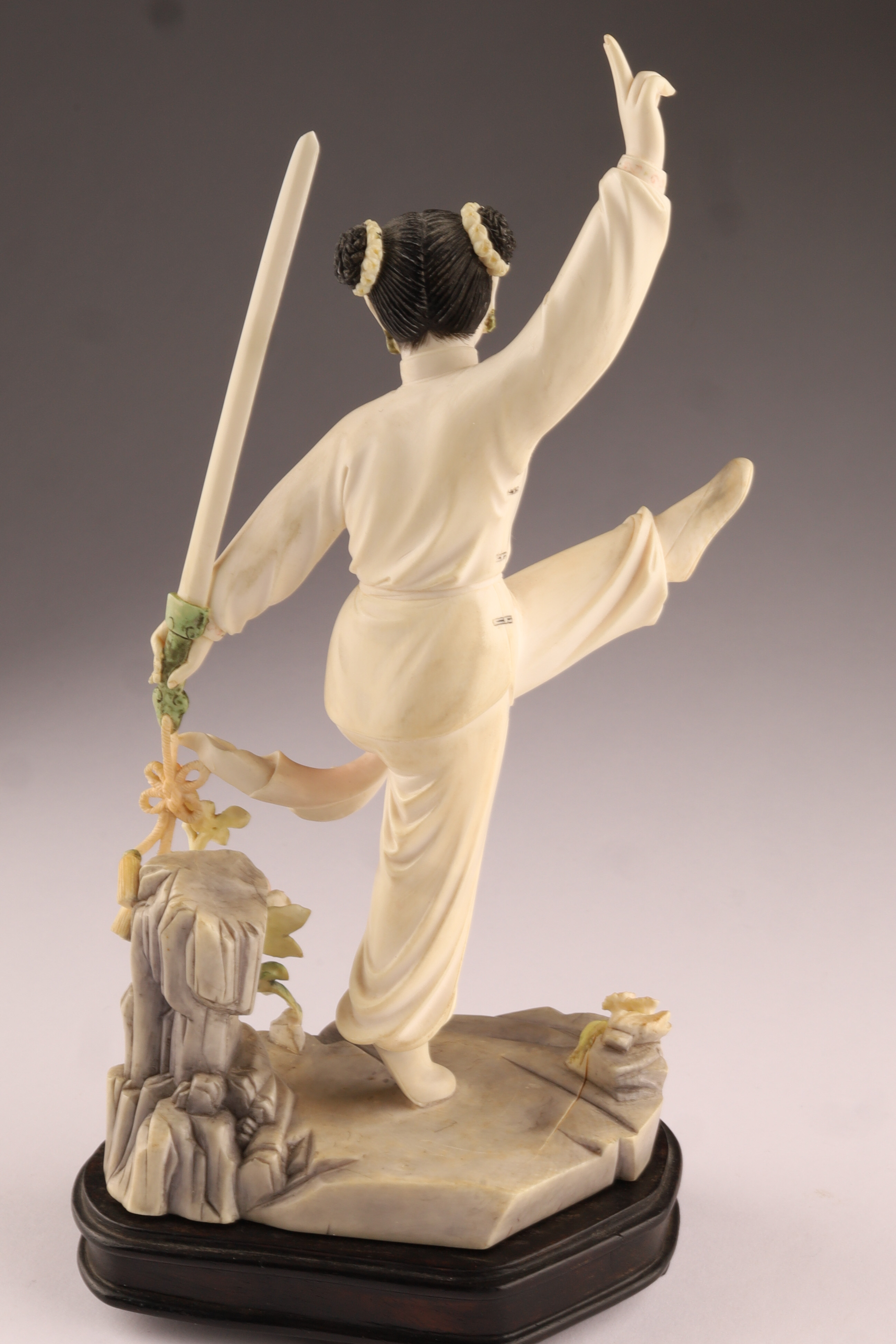
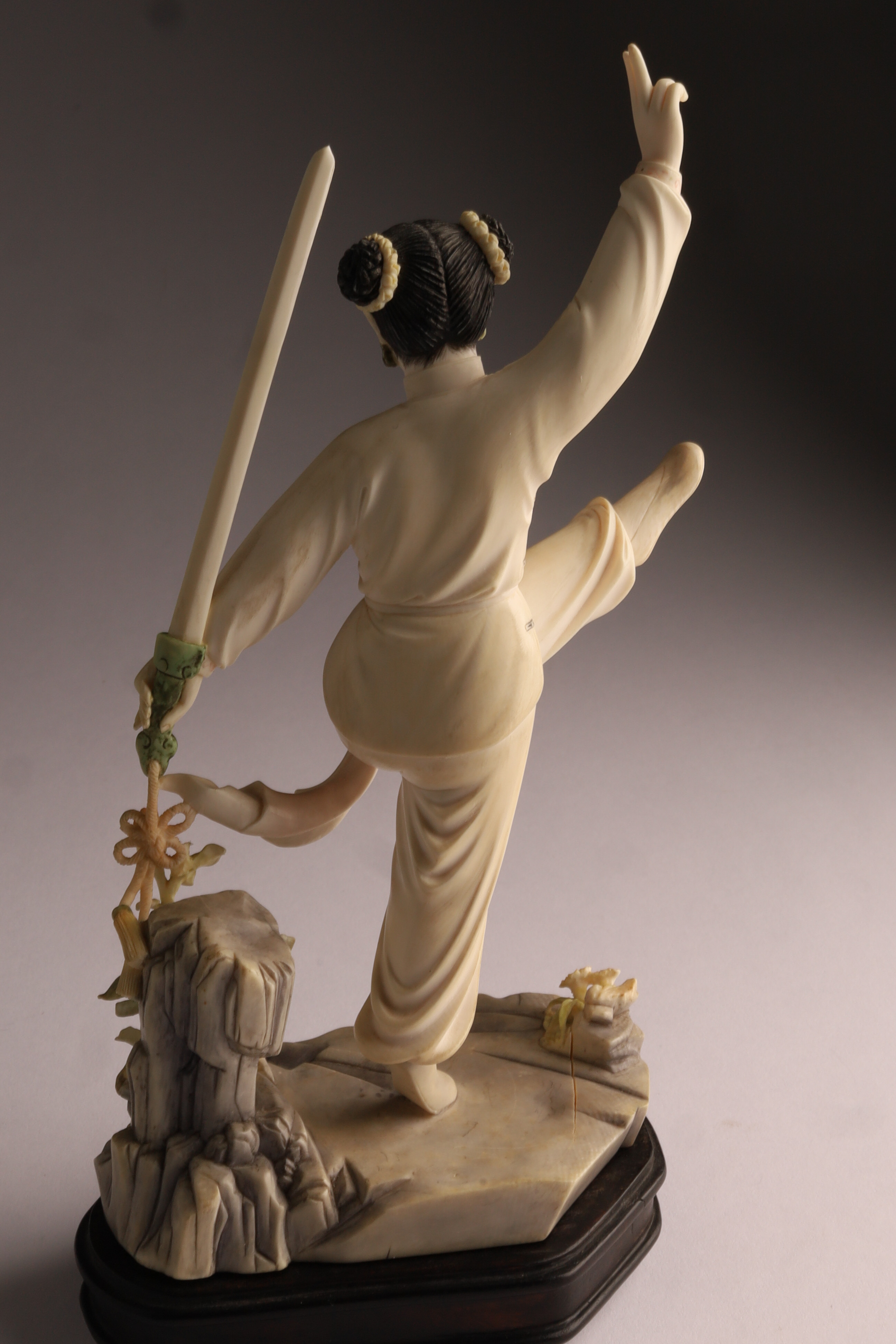
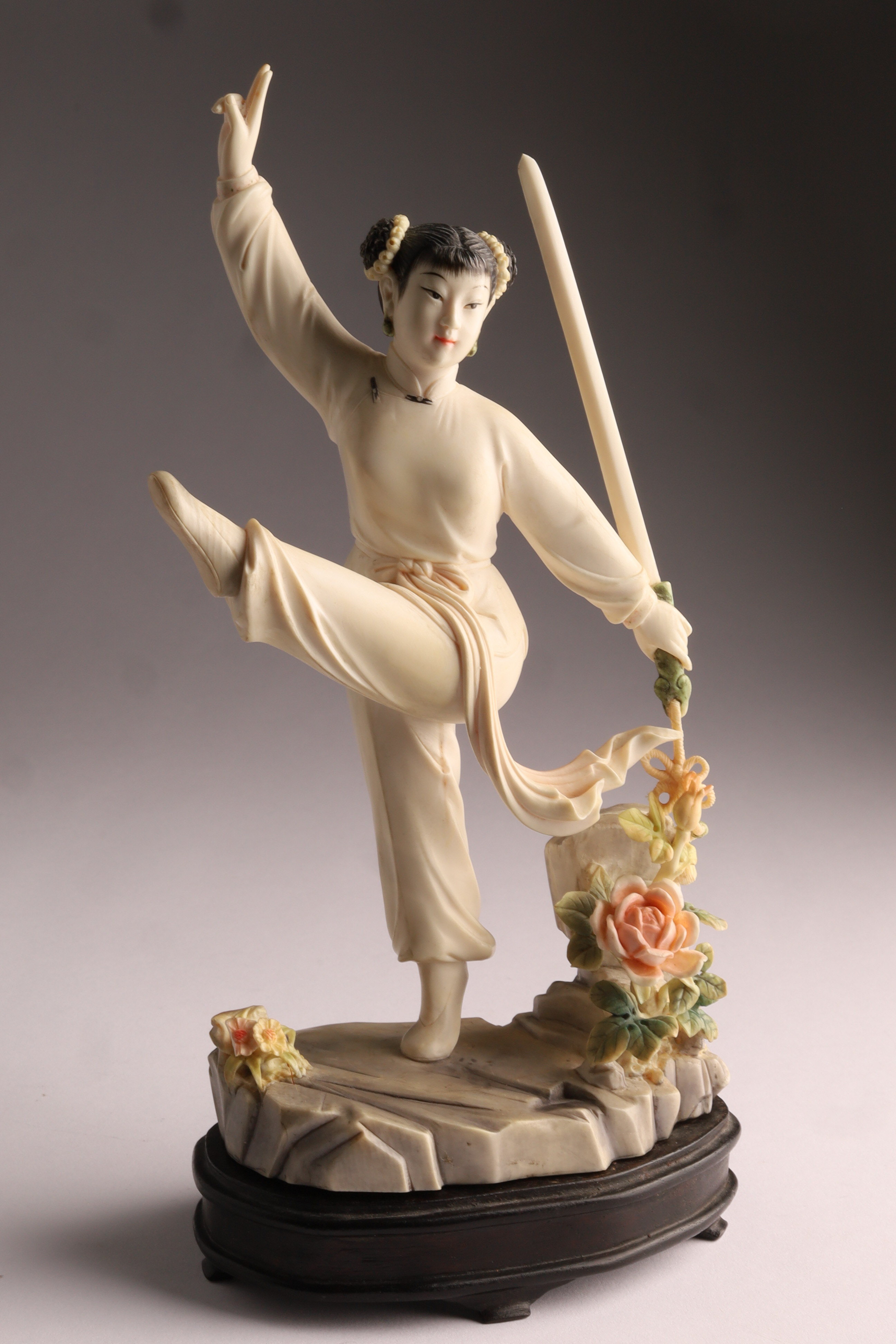
Chinese Maoist Sculpture Young Girl Practicing a Sword Routine, Women Hold Up Half the Sky. THIS LOT CANNOT BE EXPORTED FROM CANADA. Statue measures 8 inches H x 4.5 W, with base measuring 8 inches H.
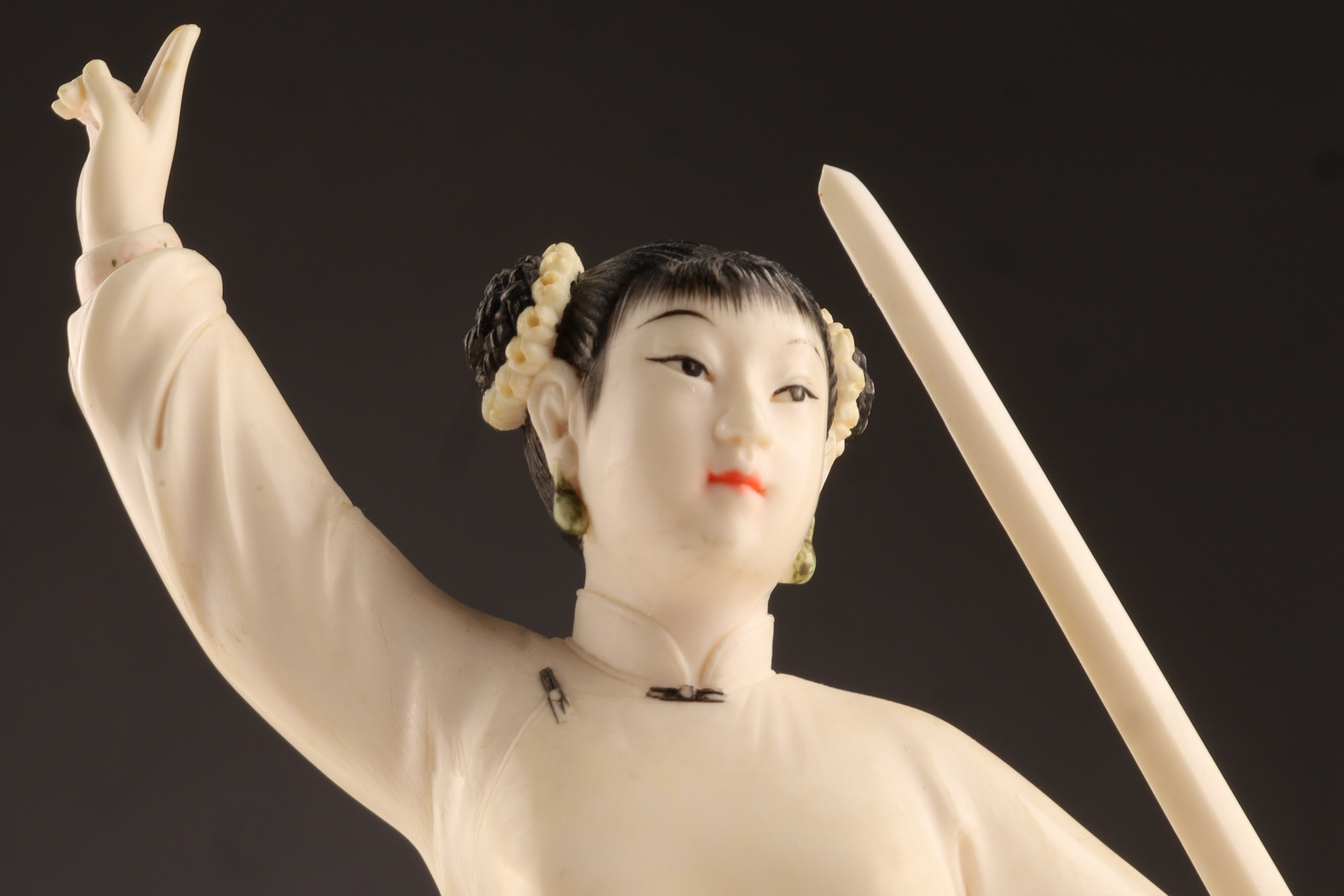
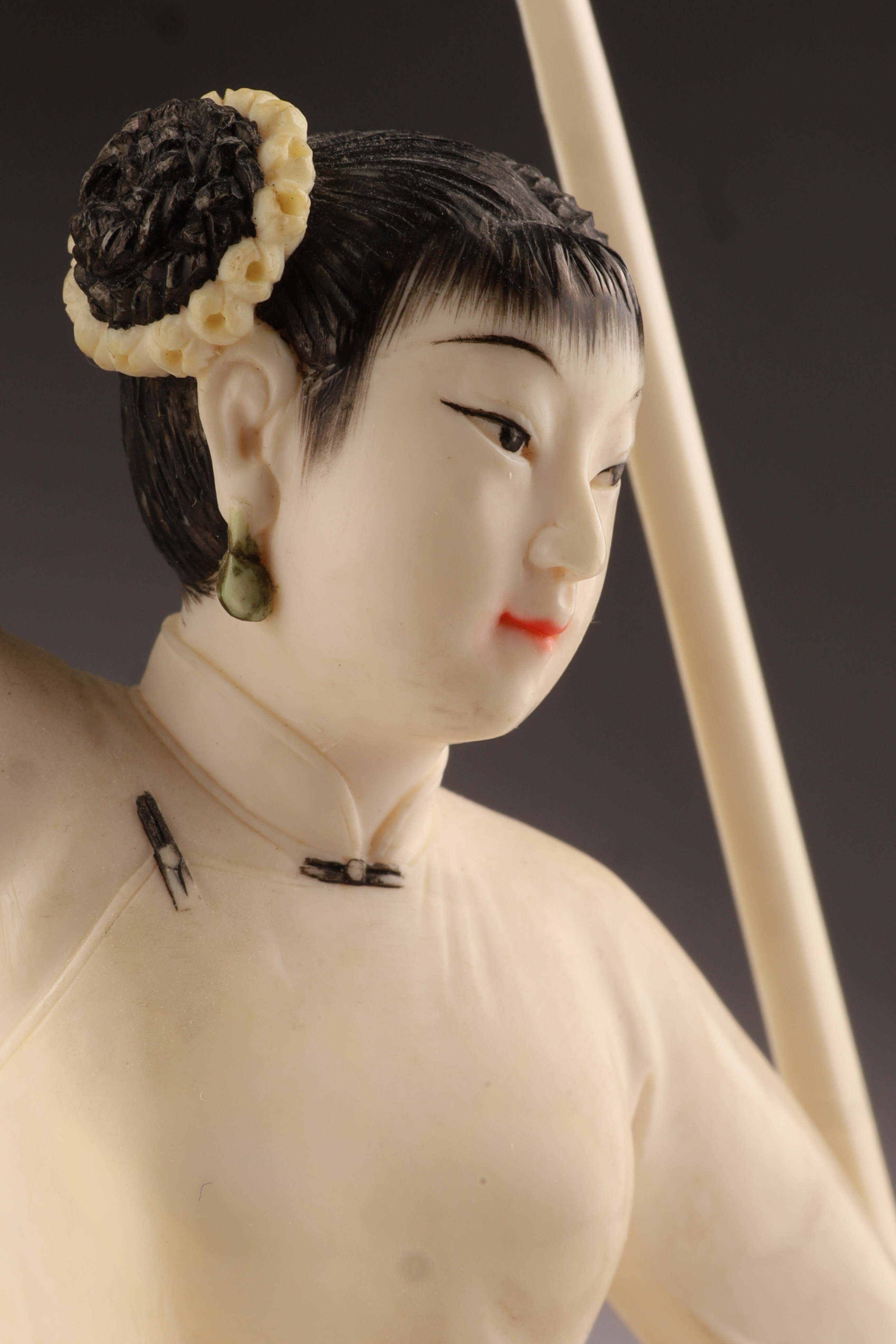
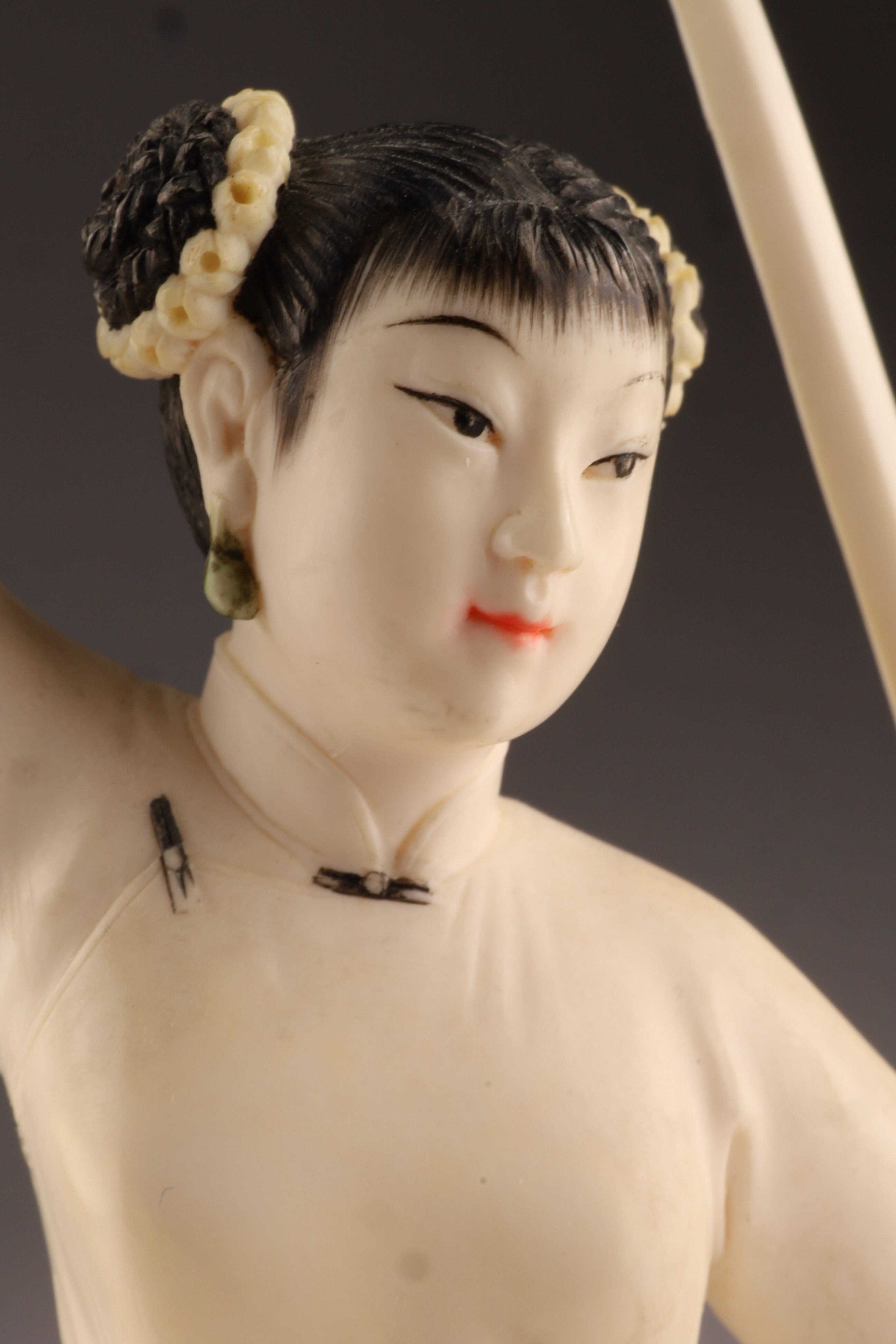
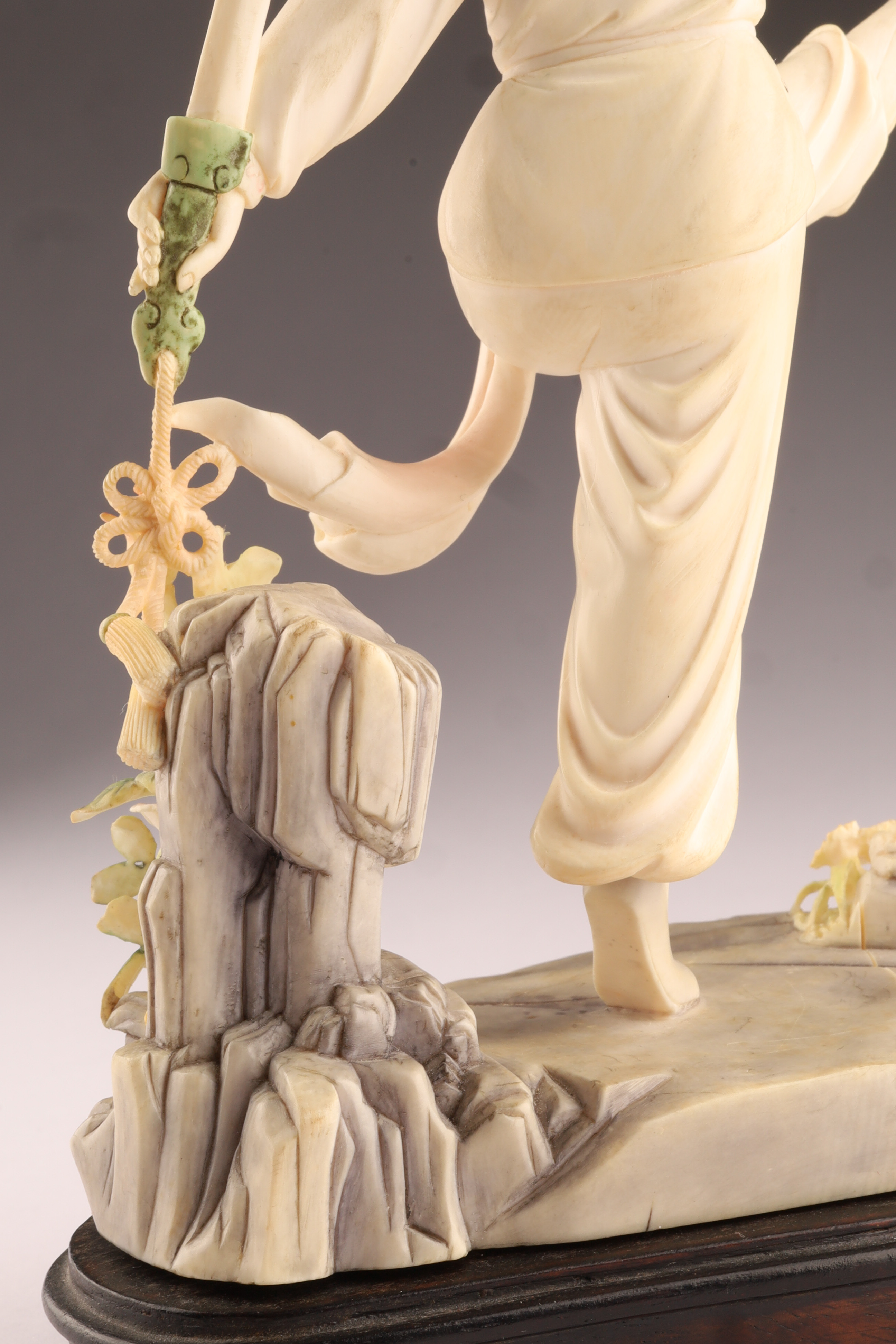
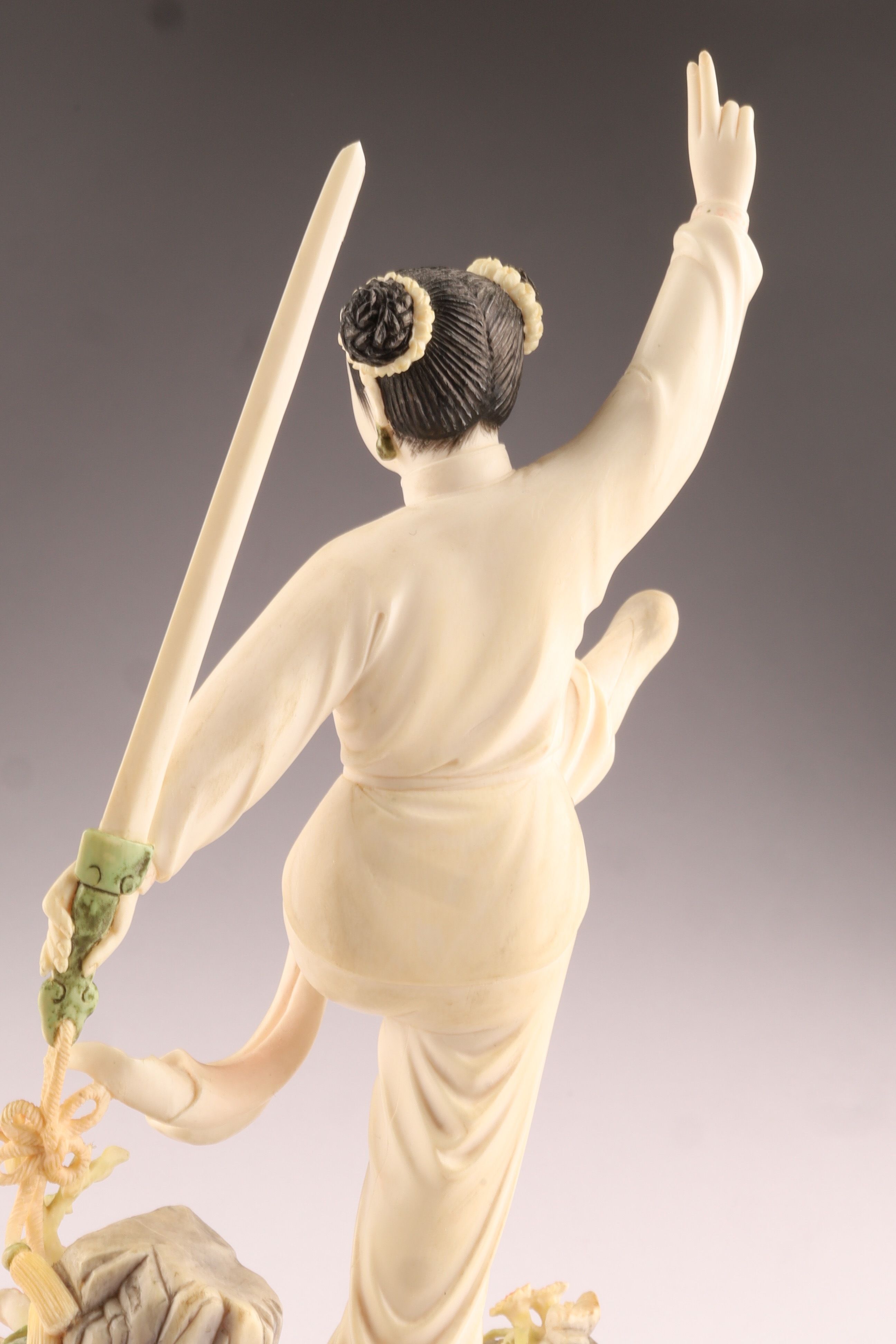
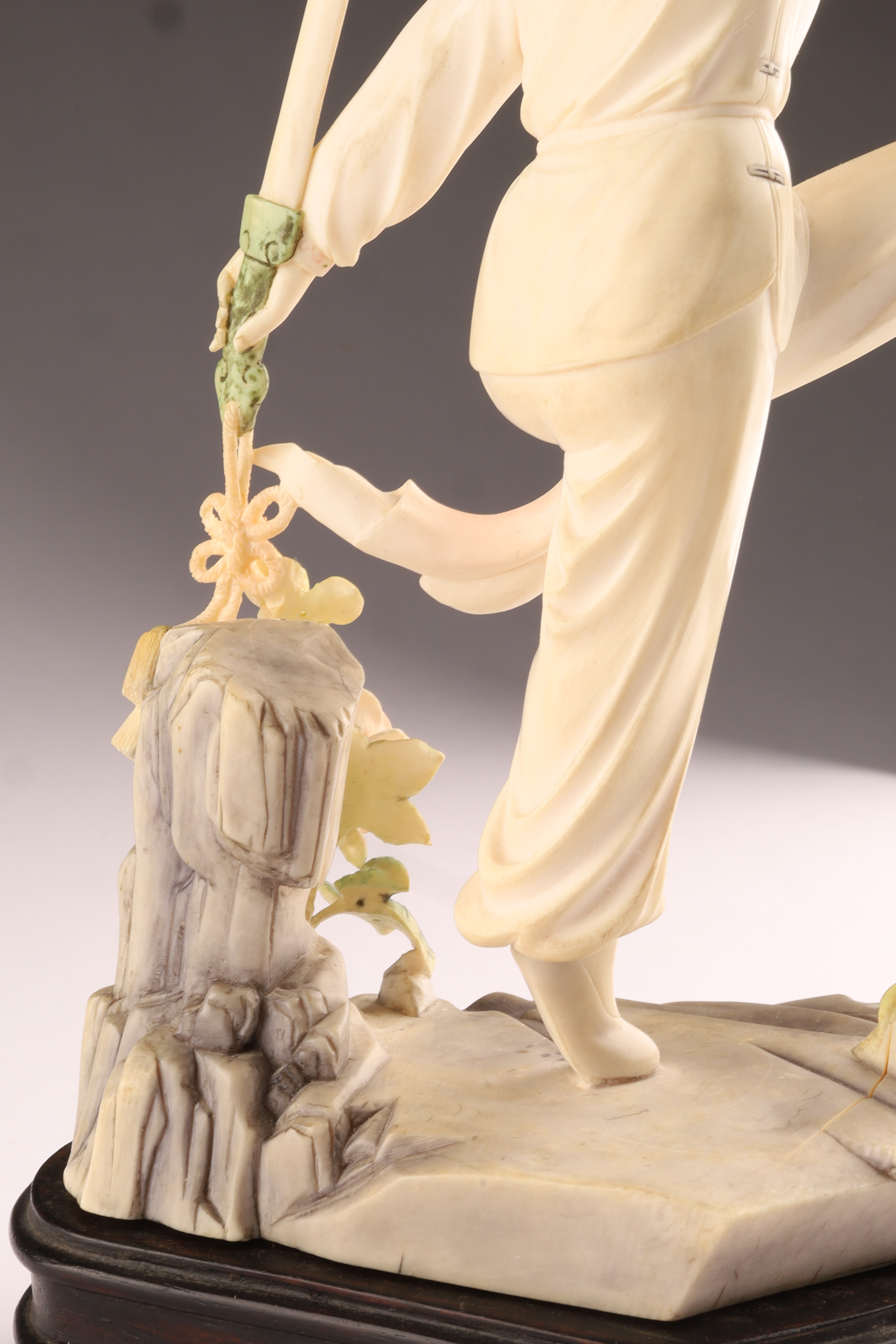
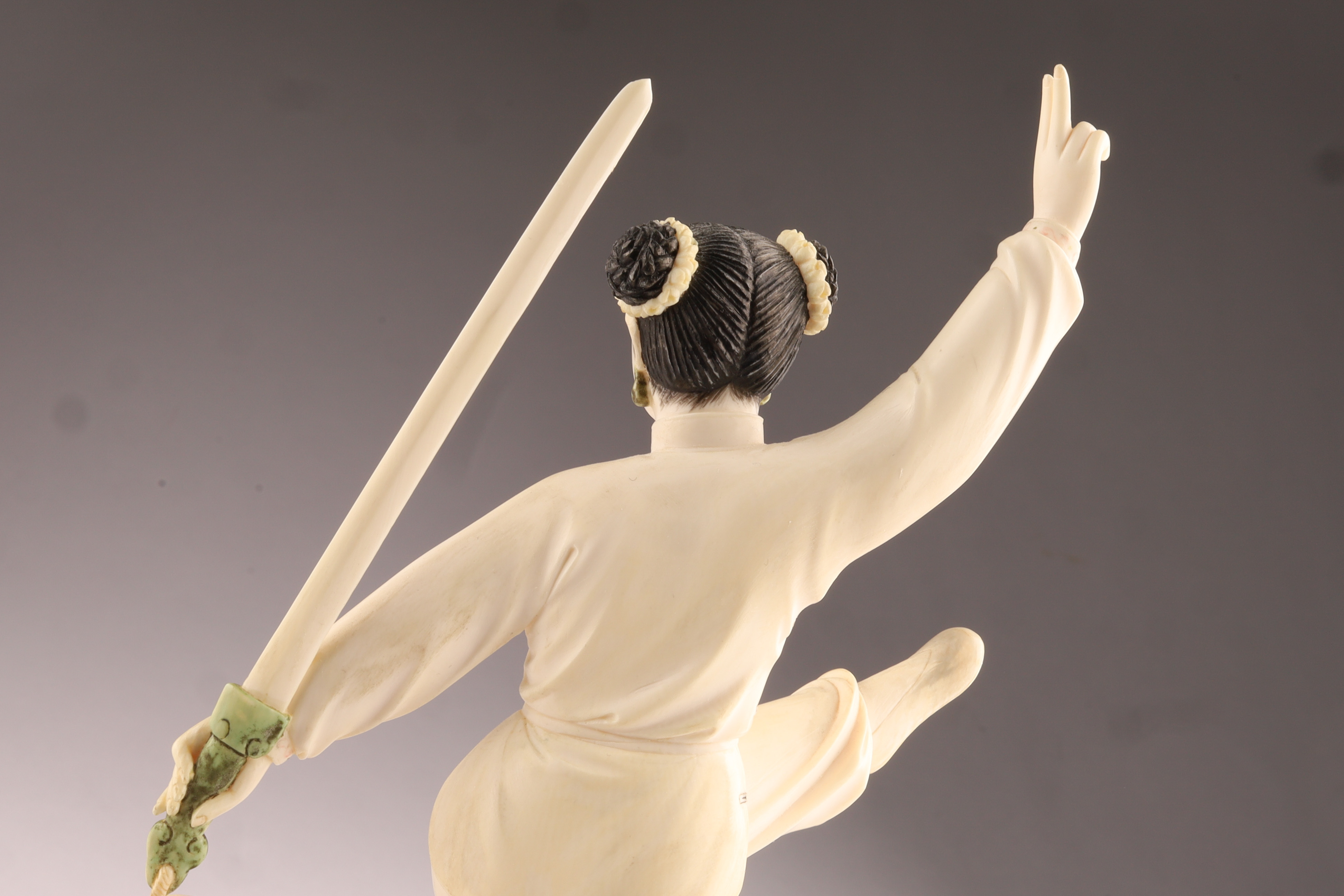
The figure is a young girl dressed in completely plain practice clothes: a simple tunic and loose trousers tied with a cloth belt. There is no pattern, rank badge, or ornament; the costume signals an ordinary child. Her hair is arranged in two round side buns, a hairstyle conventionally used for little girls, which fixes her age visually. Her face is soft and sweet, with rounded cheeks and a calm, almost amused expression. Nothing about her features is fierce or threatening.
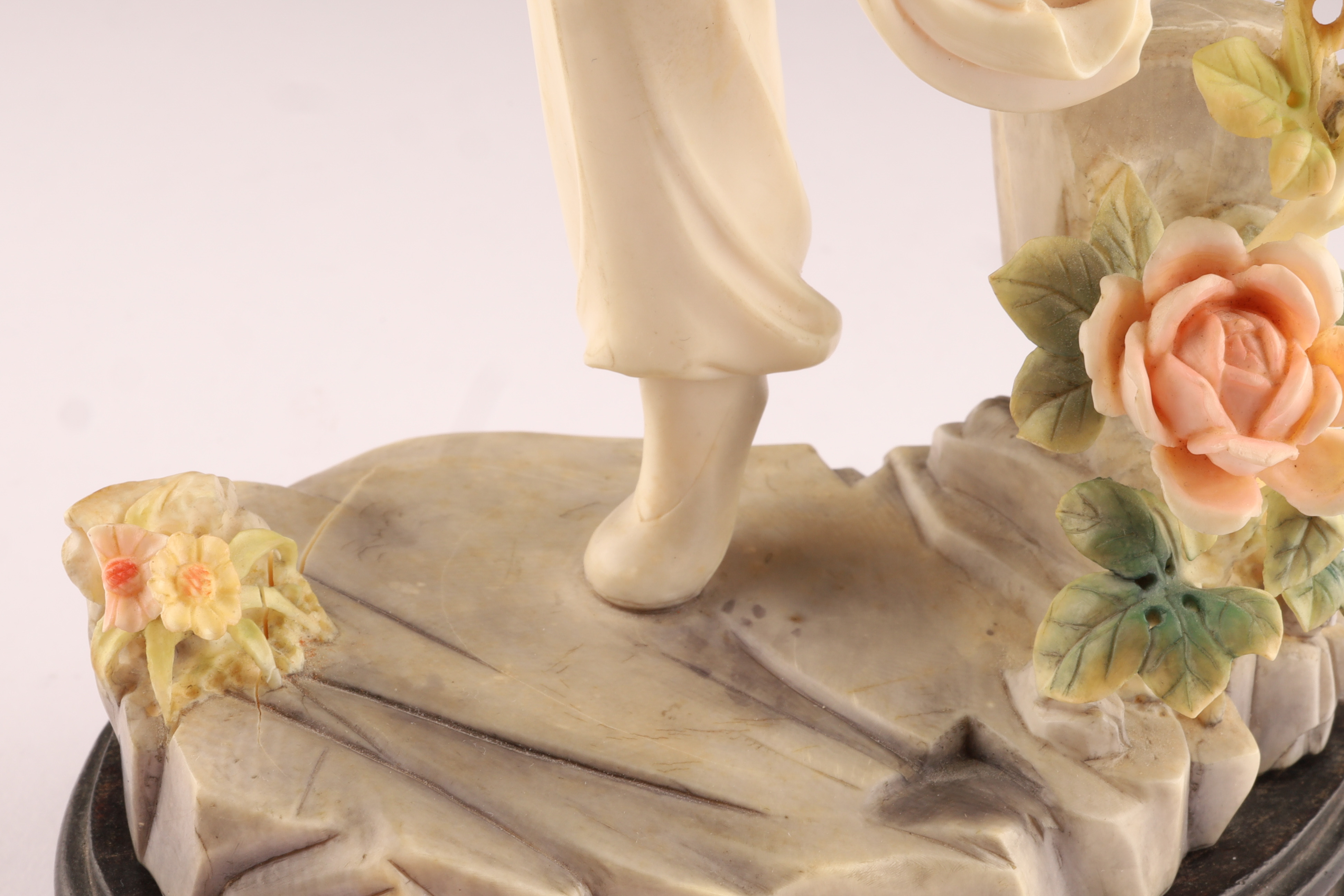
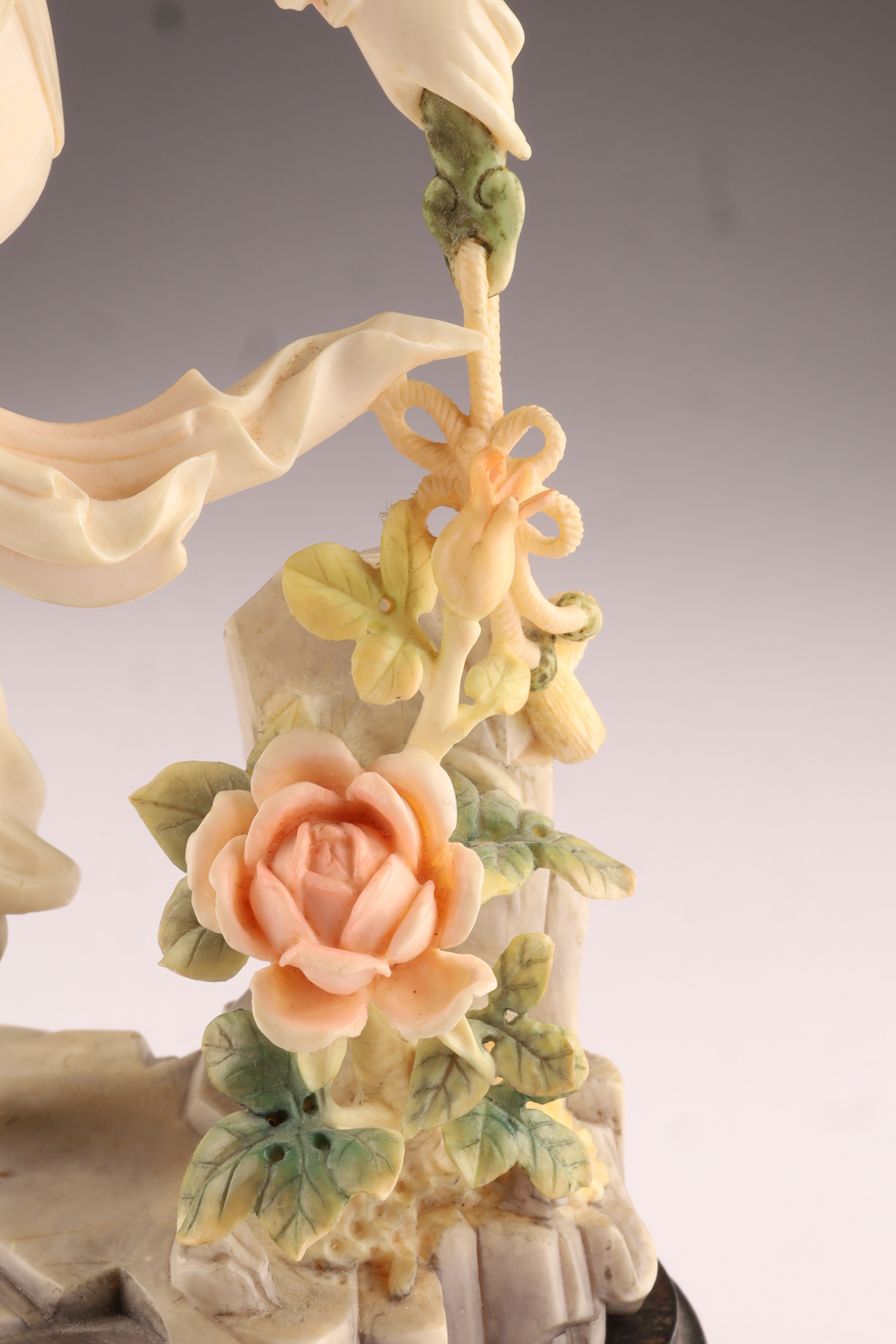
Her pose and setting are described with the same plainness. She stands on one foot on a rough rock, the other leg lifted in a high kick. One arm points upward with the index finger extended, the other arm stretches back holding a straight sword. Next to her, on the same rock, grows a small cluster of flowers in full bloom. It is, in effect, a little girl in soft shoes practicing a sword routine on a rock beside a flowering bush.
The flowers and rock carry older Chinese symbolism into this new context. Rock stands for endurance and stability; blossoms stand for beauty, renewal, and, in peony-like form, prosperity and honour. Placing a martial girl among these elements assures the viewer that refinement and militancy are not opposed. The new socialist culture can bloom, but it does so from the hard ground of struggle. On a more intimate level, the flowers keep her youth and delicacy present even as she wields a weapon: she is still a child, even while she is trained as a small soldier.
This combination of innocence and martial action is where the slogan “women hold up half the sky” is embodied. The body language is not decorative; it is a demanding balance pose that requires strength, flexibility, and control. She is poised, not wobbling, and her face shows concentration rather than strain. The figure translates the Mao-era claim that women and girls share equal responsibility for the nation into a specific physical image: even a child-sized body can be trained to carry the weight of discipline and defence.
In Maoist rhetoric, the child was the “successor of the revolution, ” expected to cultivate both ideological correctness and physical readiness. Wushu and sword practice were framed as ways to build a strong socialist body and a vigilant spirit. The precise balance, extended kick, and controlled sword here are a visual shorthand for that programme: the body has been drilled into obedience, and inner resolve is visible in the steadiness of the pose. She is not just playing; she is rehearsing a role as future guardian of the collective.
Gender emancipation is central to this image. Historically, martial icons were male generals or exceptional women like Mulan. Here, the sword is in the hands of an anonymous schoolgirl in ordinary clothes. Her hairstyle and face mark her as gently feminine, yet her actions are identical to those expected of boys. The sculpture therefore normalises the idea that girls participate in physical training, in vigilance, and in symbolic combat on equal terms with males—exactly the practical meaning of “holding up half the sky.”
Finally, the medium matters. Using such a material for this subject suggests that the image of the armed, disciplined girl was not just everyday decoration but an important icon meant as a carefully crafted statement about the cultural values of the period.
Share this lot: